What should buyers know before purchasing luxury real estate in Bozeman?
Bozeman luxury real estate rewards buyers who do their homework before falling in love with a property. The market spans private golf communities, estate-lot neighborhoods, mountain-view acreage, and resort-adjacent properties in Big Sky, and each comes with a distinct set of considerations around community structure, maintenance obligations, winter access, and long-term value. Understanding those differences is what separates a confident purchase from an expensive surprise.
Key Takeaways
- Bozeman luxury real estate is not a single market, Black Bull, Wiley Creek Estates, and Big Sky each carry distinct ownership structures, obligations, and lifestyle trade-offs that affect value differently.
- In the Greater Big Sky market, Natural Retreats reported an 8.2% year-over-year increase in Q1 2026, though the specific measure (price, volume, or activity) requires verification against the underlying report.
- Private-club communities like Black Bull require buyers to evaluate membership availability and terms, HOA obligations, and architectural controls, not just the residence itself.
- Montana luxury due diligence should cover construction quality, heating systems, backup power, wildfire exposure, water and septic arrangements, snow-load requirements, and insurance availability.
- The Bozeman-versus-Big Sky decision is driven by intended use, not price alone, city access and year-round services versus resort immersion and vacation-oriented ownership are genuinely different lifestyles.
What makes Bozeman luxury real estate different from other mountain markets?
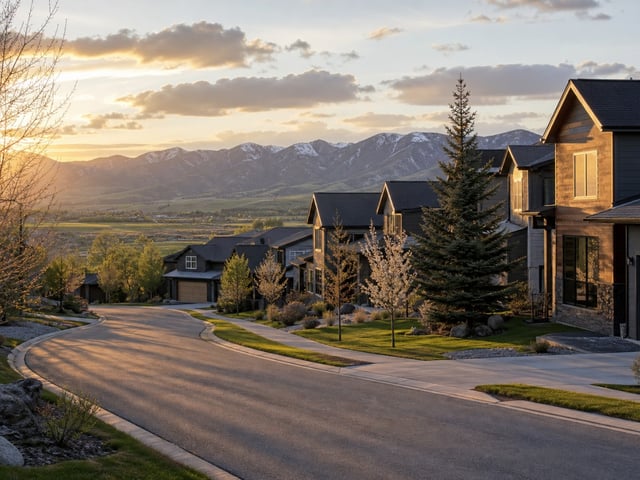
Bozeman is not a resort town that happens to have a few neighborhoods. It's a functioning city with a university, a hospital system, a growing tech and outdoor-industry employment base, and an airport that keeps adding direct flights. That economic foundation is what gives Bozeman luxury real estate a depth you don't find in markets that depend entirely on seasonal tourism.
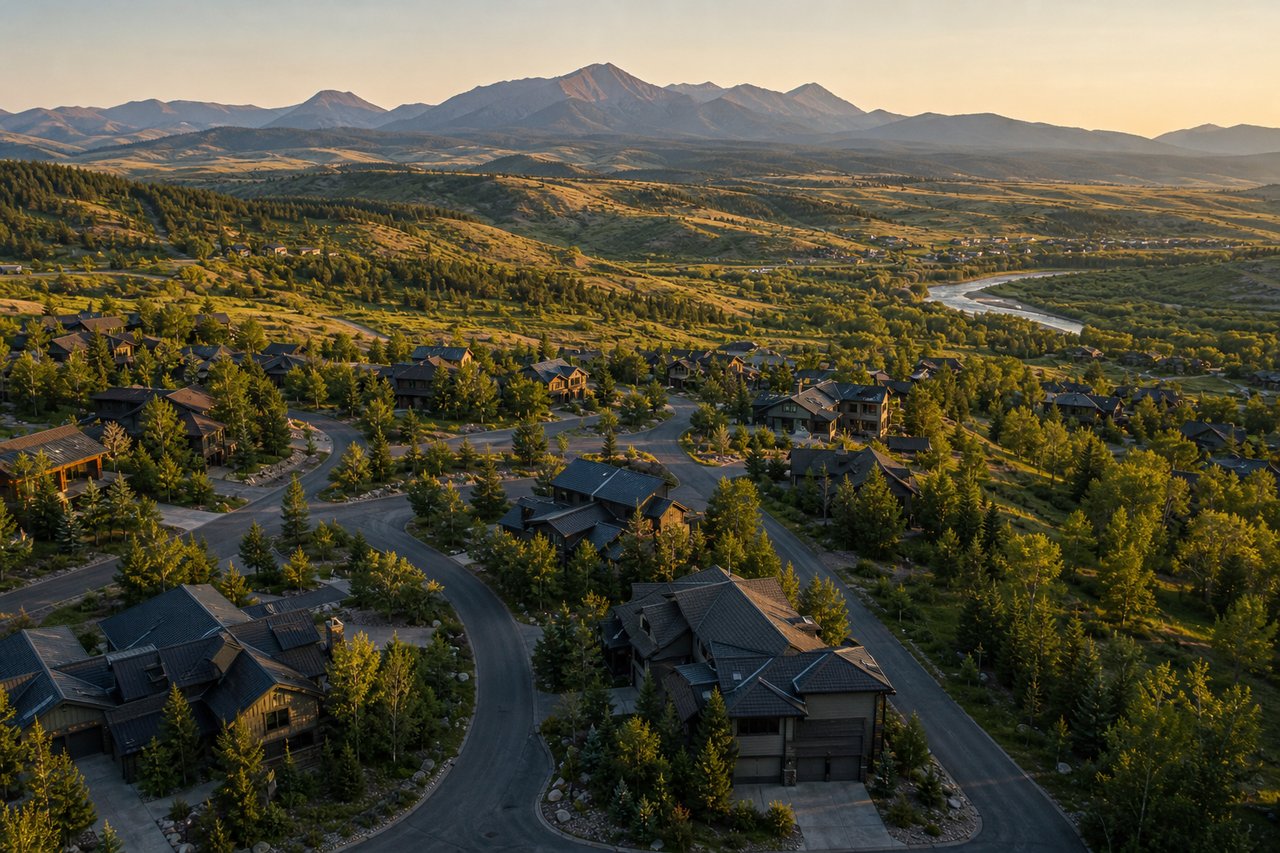
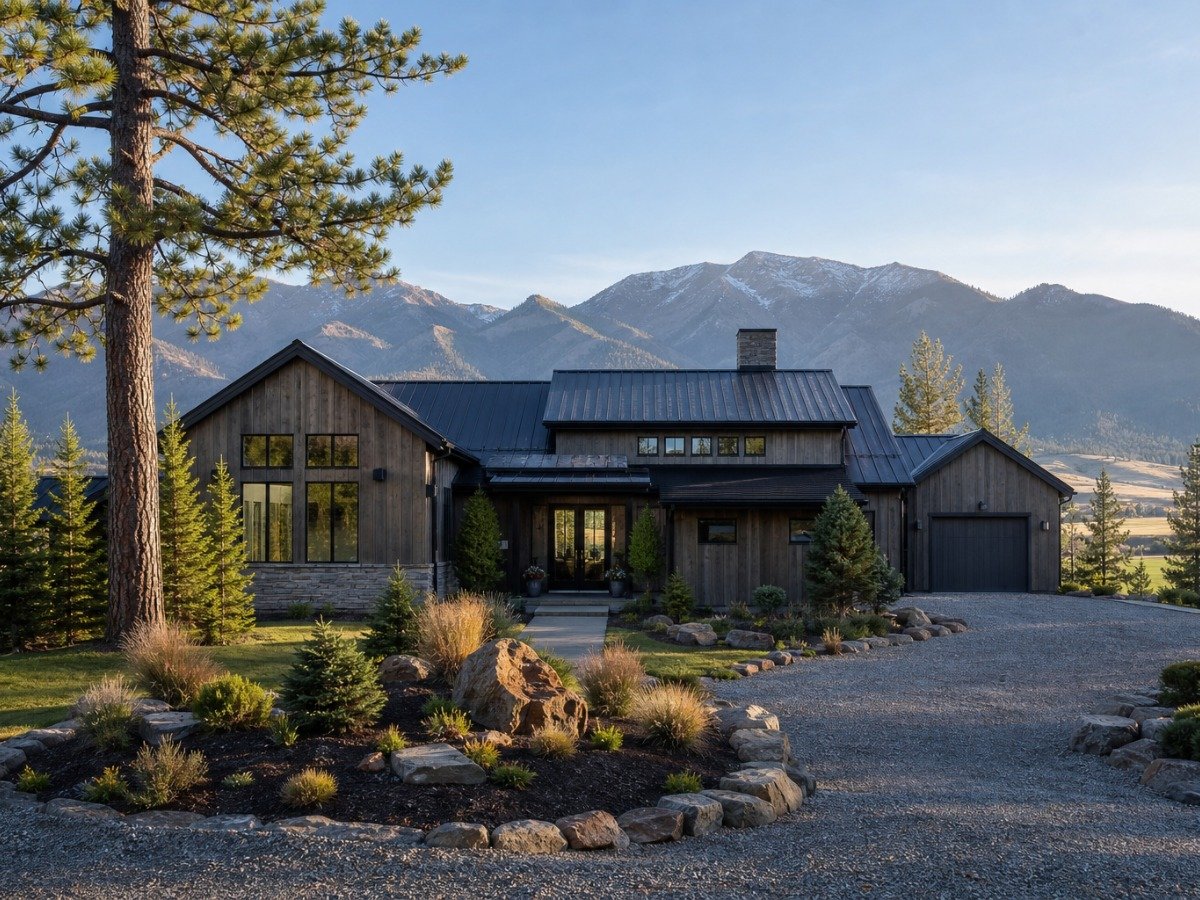
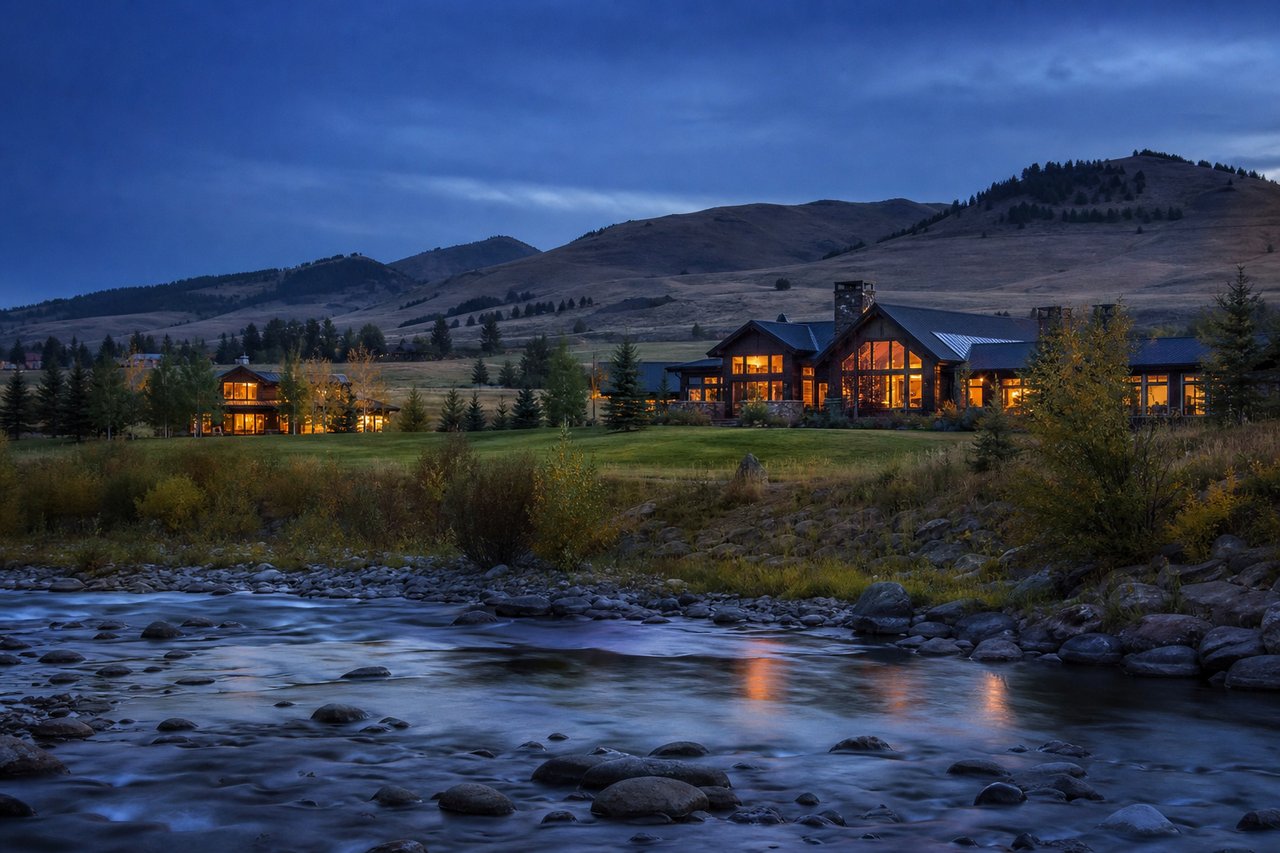
Luxury buyers here aren't choosing between a handful of gated communities. They're choosing between meaningfully different ownership experiences. A home in Black Bull puts you inside a private golf club with all the amenity access and community obligations that come with it. A property in Wiley Creek Estates offers a different kind of estate living, larger lots, mountain views, and a quieter footprint. And a Big Sky property is a different conversation entirely, one centered on ski access, resort proximity, and a lifestyle that leans heavily toward recreation and second-home use.
I've worked with buyers across all of these segments, and the ones who navigate this market well are the ones who get clear on their intended use before they start touring homes. That single question, primary residence, second home, or investment, shapes everything else.
Black Bull: what affluent buyers need to evaluate
Black Bull is one of the most recognized luxury addresses in Bozeman, and for good reason. But buying here requires you to think about the community structure as carefully as you think about the house itself.
The private-club model means membership availability and terms matter. Before you fall in love with a specific property, you need to understand what membership access looks like, what the financial obligations are, and what the architectural controls and HOA documents require of owners. Golf-course exposure, privacy, views, and winter access are all worth evaluating on-site, not just from a listing sheet. And the practical distance to downtown Bozeman and everyday commercial services is a real consideration for buyers who plan to use the property as a primary or frequent-use home.
I walk every buyer through this diligence before we get to the offer stage. The residence and the club are intertwined, and you need to understand both to price the opportunity correctly. For a deeper look at how luxury homes in Bozeman's established neighborhoods are priced, my post on pricing luxury homes in Bozeman's core neighborhoods covers the methodology I use with sellers and buyers alike.
Wiley Creek Estates and estate-lot living
Wiley Creek Estates represents a different kind of luxury, the kind defined by space, views, and a quieter relationship with the land rather than a club-based amenity structure. If you're considering a property here, I'd encourage you to pull the Gallatin County records and the applicable HOA documents directly rather than relying on marketing descriptions. Understanding the governing documents, lot configuration, and any infrastructure details specific to the subdivision gives you a factual foundation for your offer and your long-term ownership expectations.
Estate-lot properties across Bozeman and the Gallatin Valley also carry Montana-specific maintenance considerations that buyers coming from lower-elevation or milder climates sometimes underestimate. Snow load, road access in winter, heating system capacity, and wildfire exposure are not abstract concerns here, they're part of the ownership calculus at this price point.
How does Big Sky luxury compare with Bozeman, and which is right for you?
The honest answer is that Bozeman and Big Sky are solving for different things, and the right choice depends entirely on how you intend to use the property.
Bozeman luxury properties offer closer access to the city's employment base, healthcare system, airport, restaurants, and everyday services. They work well as primary residences, move-up homes, and long-term holds. Big Sky properties lean into resort access, mountain recreation, privacy, and second-home or vacation-oriented use. Natural Retreats reported an 8.2% year-over-year increase in the Greater Big Sky market in Q1 2026, though the specific measure behind that figure warrants verification against the underlying report before you use it in your own analysis.
What I tell buyers who are weighing both markets: the comparison isn't primarily about price. It's about intended occupancy, maintenance logistics, travel time, winter access, rental strategy, and your tolerance for resort-market seasonality. A Big Sky property that sits empty most of the year has a very different ownership profile than a Bozeman estate you're living in full-time. For a thorough look at the Big Sky side of this decision, my guide to buying luxury real estate in Big Sky walks through the resort-specific considerations in detail.
I was quoted in a Leading Estates of the World article on Big Sky's rise as a luxury market in August 2026, the resort's trajectory as a destination for high-net-worth buyers is real, and it's been building for years. But trajectory and fit are two different things, and I'd rather help you find the right property than the right story.
A market-by-market snapshot
Consideration | Bozeman Luxury | Big Sky Luxury |
|---|---|---|
Primary use orientation | Primary residence, move-up, long-term hold | Second home, vacation, resort-adjacent investment |
City services access | Strong, airport, hospital, restaurants, retail nearby | Limited, resort services, longer drive to Bozeman |
Recreation access | Trail systems, rivers, Bridger Bowl proximity | Big Sky Resort, Moonlight Basin, backcountry skiing |
Winter access considerations | City infrastructure, plowed roads | Canyon roads, weather-dependent travel |
Rental strategy flexibility | Varies by neighborhood and HOA | Resort-market seasonality; verify HOA restrictions |
Community structure examples | Black Bull (private club), Wiley Creek Estates, Bridger Canyon | Spanish Peaks Mountain Club, Moonlight Basin, Meadow Village |
What due diligence should you do before buying a Montana luxury property?
At this price point, the inspection and due-diligence phase is where deals either get done confidently or fall apart quietly. Montana's climate and geography create a specific set of questions that a standard residential inspection doesn't always surface on its own.
Here's what I walk my clients through before they close on a high-value Montana property:
- Construction quality and materials: Roof and exterior durability matter enormously in a climate with heavy snow loads and significant temperature swings. Know what you're buying.
- Heating systems: Redundancy is worth paying for. A single-source heating system in a remote property is a vulnerability.
- Backup power: Power outages in rural and mountain areas are a real occurrence. Generator capacity and fuel storage are practical considerations.
- Water and septic: Properties outside city services require well and septic inspection by qualified Montana professionals. Verify water rights where applicable.
- Wildfire exposure: Defensible space, insurance availability, and proximity to fire-prone vegetation are diligence items, not afterthoughts. Montana's State Forestry Division maintains resources on wildfire risk that are worth reviewing.
- Snow-load and winter maintenance: Structural engineering for snow load, roof pitch, and driveway access all affect what it actually costs to own the property year-round.
- Insurance availability: High-value properties in wildfire-adjacent or remote areas can face insurance challenges. Confirm coverage before you close, not after.
- Road access: Private road maintenance agreements, seasonal closures, and easement documentation all matter, especially for estate and mountain properties.
- Internet and cellular service: For buyers who work remotely or plan extended stays, this is a non-negotiable. Verify actual service at the property, not just at the nearest town.
- Rental and community restrictions: HOA documents and community covenants can significantly limit short-term rental use. If rental income is part of your strategy, read the governing documents before you make an offer.
Every situation is different, and the only way to know what you're actually buying is to work through this list systematically with people who know Montana properties. That's exactly the kind of guidance I provide before my clients ever sign a purchase agreement. If you're thinking about flexible ownership strategies, rental income, STR potential, ADU possibilities, my post on flexible real estate strategies in Bozeman and Big Sky covers how to think through those options in this specific market.
According to NAR's research on luxury buyer behavior, high-net-worth buyers consistently cite due diligence depth and local market knowledge as the top factors in choosing a buyer's agent at the luxury tier. That tracks with my own experience, the buyers who feel best about their purchase are the ones who asked the hard questions early.
The Consumer Financial Protection Bureau's mortgage resources are also worth a look if you're financing a luxury purchase, jumbo loan structures and lender requirements at this price point differ meaningfully from conventional financing.
For Montana-specific property research, Gallatin County's Clerk and Recorder is the authoritative source for deed, easement, and property record searches. And Montana's Board of Realty Regulation oversees licensing and can help you verify any professional you work with in a transaction.
If you want to understand how the broader market has moved heading into fall 2026, this overview of spring 2026 market momentum in Big Sky and Bozeman provides useful context on where activity stood earlier in the year.
If you're ready to talk through a specific property or neighborhood, I'm happy to run through the diligence checklist with you personally. Reach out at [email protected] or call/text 406-599-7711.
If you'd like to read what clients have said about working with me, you can find reviews on Google and Zillow.
Frequently Asked Questions
What qualifies as a luxury home in the Bozeman real estate market?
Luxury in Bozeman is generally defined by price threshold, property attributes, and community context rather than a single number. Properties in private-club communities like Black Bull, estate-lot neighborhoods with significant acreage and mountain views, and custom-built homes with high-end finishes and meaningful land typically fall into the luxury tier. The specific price point that separates luxury from move-up inventory shifts with market conditions, your best read on where the line sits today comes from a current market analysis, not a fixed figure.
Is Black Bull a good place to buy a luxury home near Bozeman?
Black Bull is one of the most established luxury addresses in Bozeman, with a private golf club, strong community identity, and consistent buyer demand. Whether it's the right fit depends on how you weigh the club structure, membership obligations, and HOA requirements against the residence itself. Buyers should review governing documents carefully, confirm membership availability and terms, and evaluate the property's proximity to downtown Bozeman for their intended use pattern.
How does Big Sky luxury real estate compare with high-end homes in Bozeman?
Bozeman luxury properties offer stronger access to city services, employment, healthcare, and everyday infrastructure, making them better suited to primary residence and year-round use. Big Sky properties center on resort access, mountain recreation, and privacy, which makes them a natural fit for second-home buyers and vacation-oriented ownership. The decision turns on intended use, maintenance logistics, winter access tolerance, and rental strategy rather than price alone.
What are the differences between buying in Black Bull and Wiley Creek Estates?
Black Bull is built around a private golf club, which means membership structure, club obligations, and architectural controls are central to the ownership experience. Wiley Creek Estates offers estate-lot living without the club framework, larger lots, mountain views, and a quieter ownership profile. Both require careful review of HOA and governing documents, but the questions you're asking and the obligations you're evaluating are meaningfully different between the two communities.
What should affluent buyers inspect before purchasing a Montana luxury property?
Beyond a standard home inspection, Montana luxury buyers should specifically evaluate construction quality and snow-load engineering, heating system redundancy, backup power capacity, water and septic systems (where applicable), wildfire exposure and defensible space, insurance availability, road access and easement documentation, and internet and cellular service at the actual property. These factors are material to both the ownership experience and the long-term value of a high-end Montana home.
Is a Bozeman luxury home better suited for a primary residence, second home, or investment?
It depends on the specific property and neighborhood. Bozeman luxury homes in established communities like Black Bull or Wiley Creek Estates tend to work well as primary residences or long-term holds given the city's employment and service infrastructure. Short-term rental strategies require careful review of HOA restrictions and local regulations before you assume that income is available. The best answer to this question comes from running the numbers on a specific property with someone who knows the local market, not from a general rule.
Bozeman luxury real estate rewards buyers who approach it with the same rigor they'd bring to any significant investment. The neighborhoods are distinct, the ownership structures vary, and the Montana-specific due diligence list is real. I've guided clients through this market for nearly a decade, and I'd be glad to walk you through it too.
Reach out directly at [email protected] or call/text 406-599-7711. You can also search current listings on my site to get a feel for what's available across Bozeman and Big Sky right now.
This article is general information only and does not constitute legal, tax, or financial advice. Readers should confirm their own figures and circumstances with their closing agent, tax advisor, or lender. Amelia Turbyfill | License #RRE-RBS-LIC-62171 | Regulated by the Montana Board of Realty Regulation. Equal Housing Opportunity.