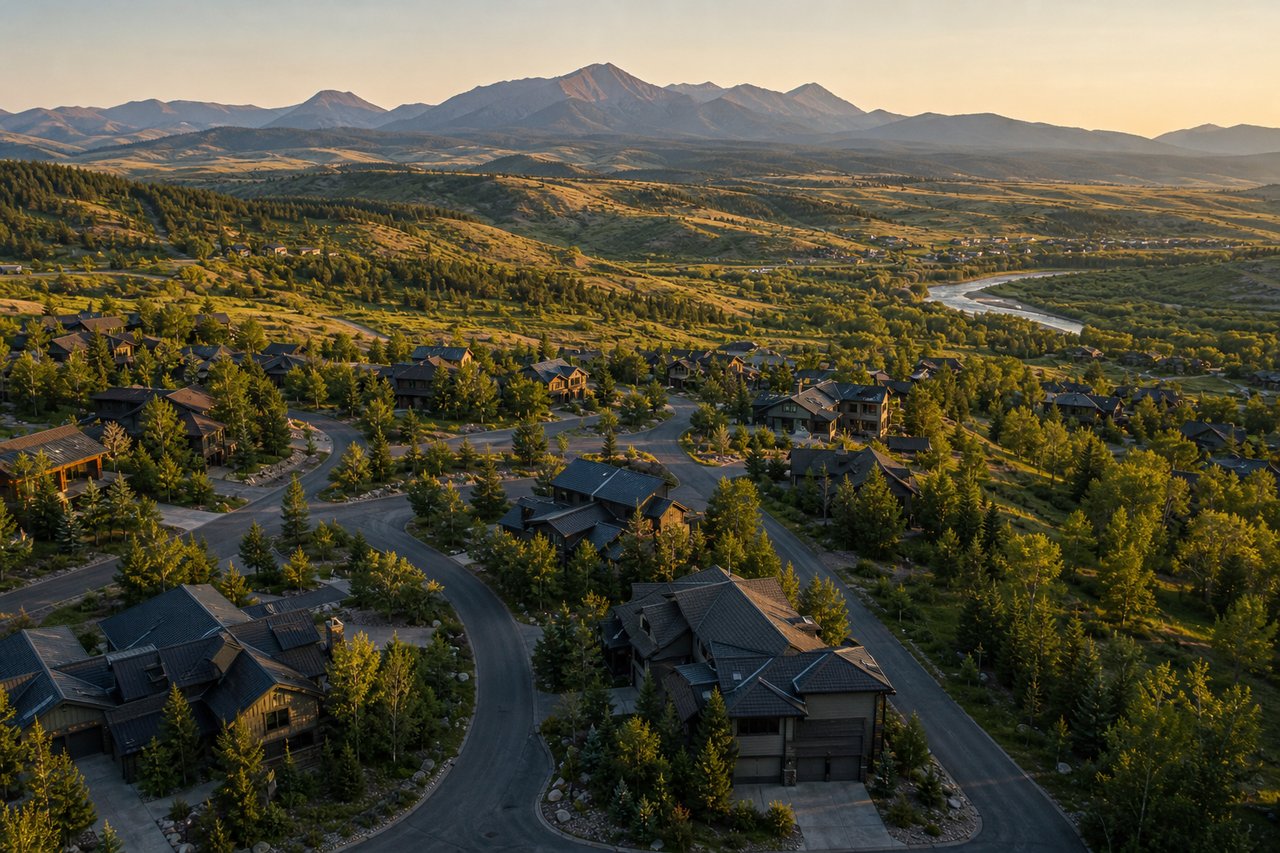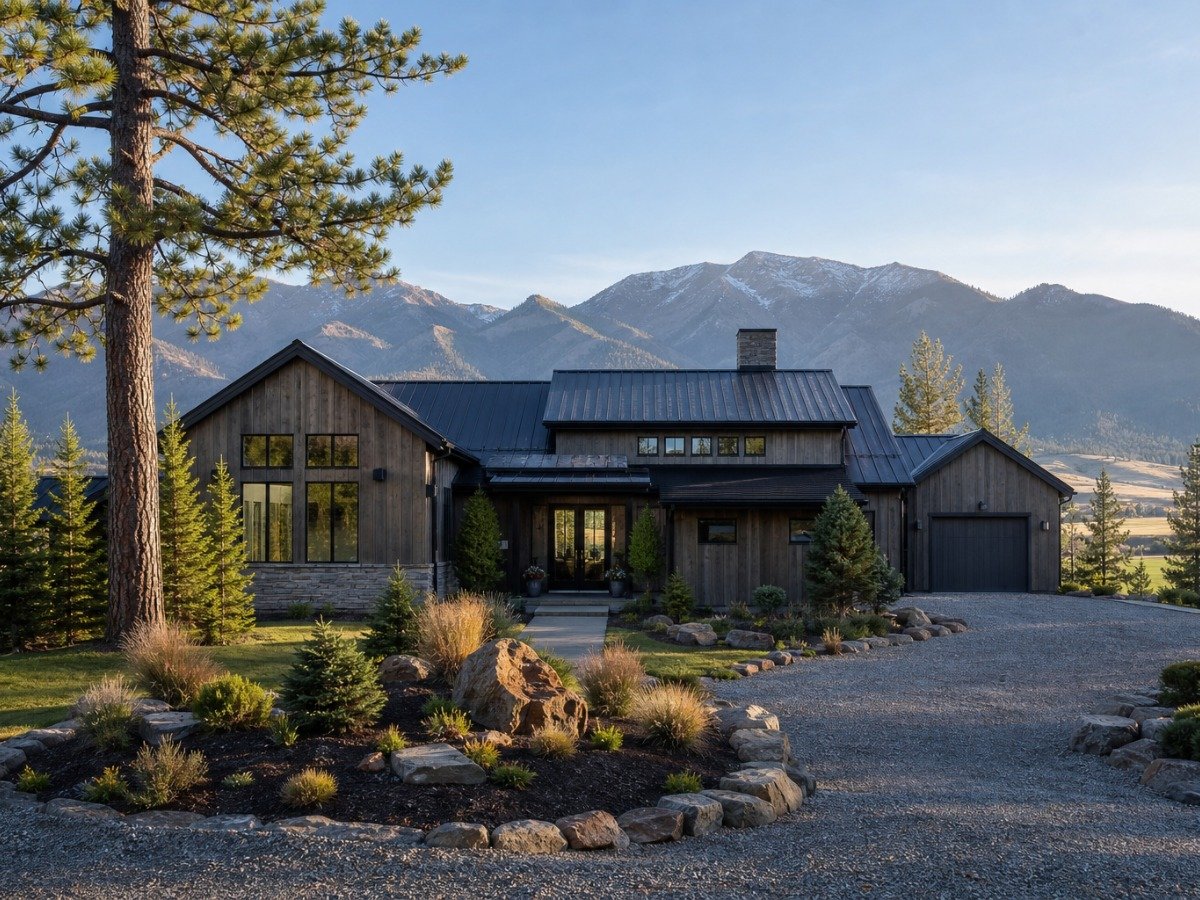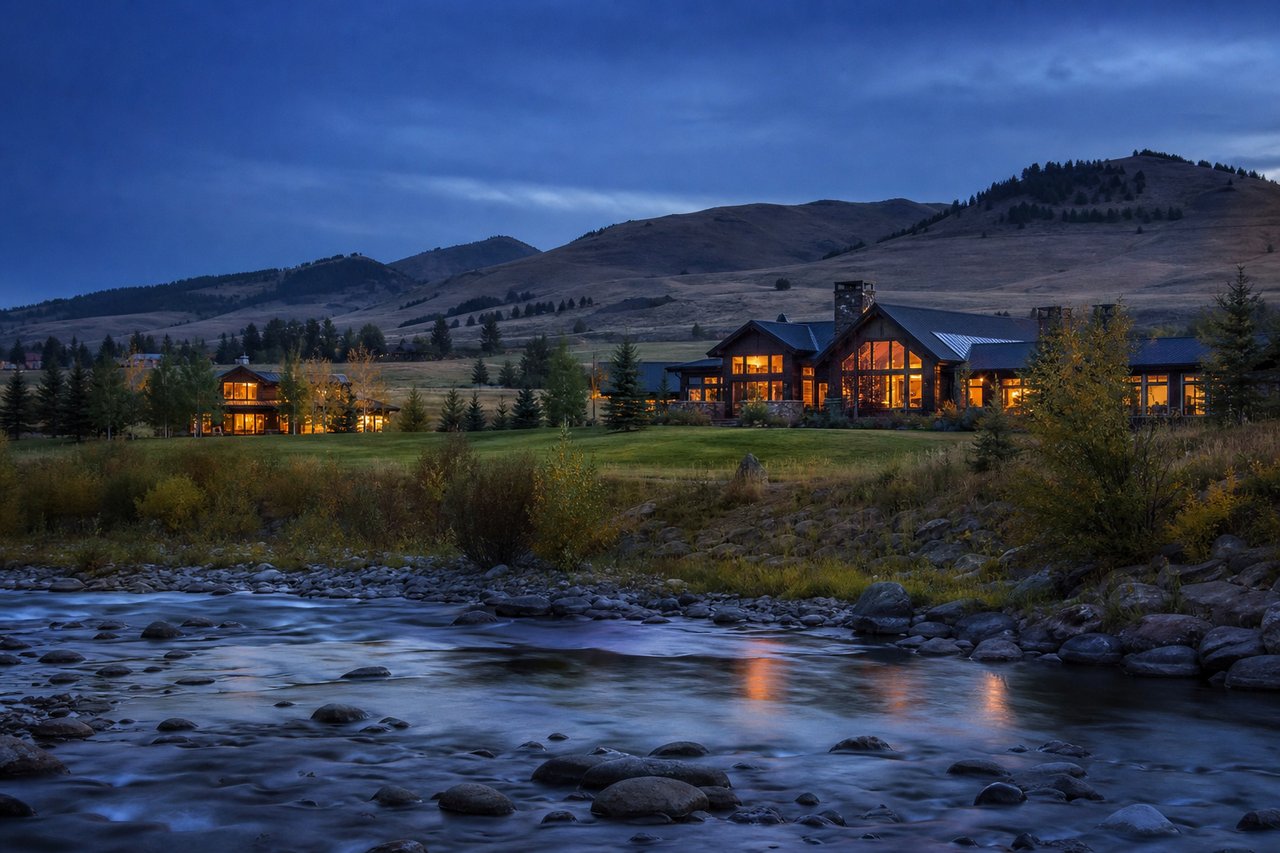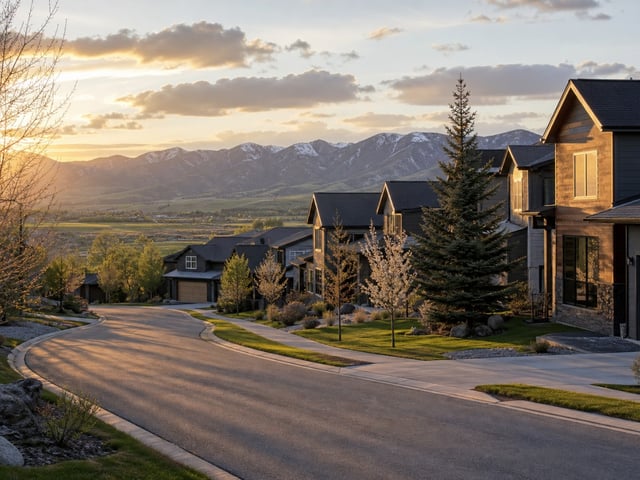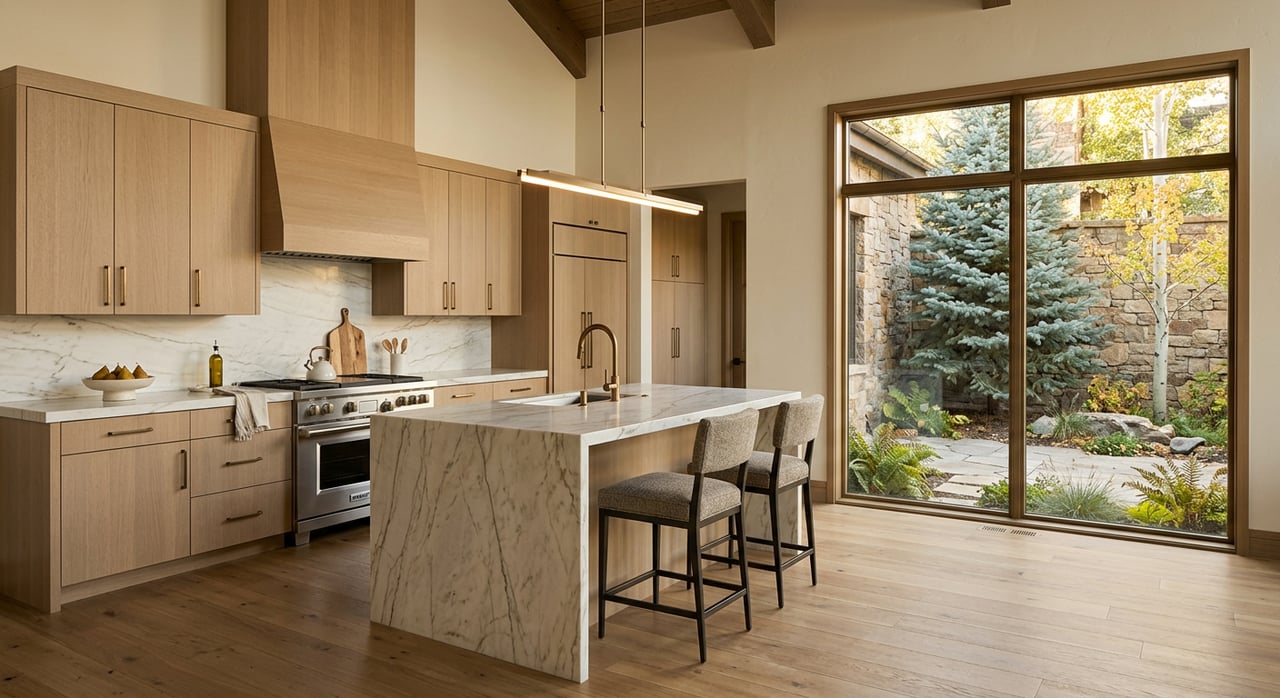
Pricing a luxury home a few blocks from Main Street is not the same as pricing one on the edge of town. In Bozeman’s core neighborhoods, small differences in views, trail access and renovation quality can shift buyer demand and final price quickly. If you want top-of-market results without a long time on market, you need a neighborhood-first plan rooted in current data. In this guide, you’ll see how micro-location and features drive value in-town, how we build a precise pricing memo, and how the launch strategy supports a premium outcome. Let’s dive in.
Why neighborhood pricing matters
Bozeman’s city and county medians set the backdrop. According to Realtor.com’s Bozeman snapshot, the median listing price was about $775,000 as of December 2025. County snapshots in mid-2025 showed Gallatin County’s median sold price near $690,000, while the city hovered in the $700,000 to $750,000 range. That context helps you see why a $1 million in-town home sits in a premium band locally, even if it would be mid-market in a larger metro.
Neighborhood medians vary widely in the core. For example, Redfin’s December 2025 snapshot for Cooper Park shows a median near $1.28 million, well above the city baseline. The takeaway is simple: when you price in-town luxury, you start with the immediate neighborhood and even the street, not the citywide average.
MLS data is the gold standard for this level of precision because it reflects contract dates and detailed property notes. Portal snapshots are useful for broad reference, but the final pricing work should come from an MLS-based comparative market analysis and paired-sales logic.
What counts as luxury
You can define “luxury” two practical ways:
- Dollar threshold: In Bozeman, a working threshold of $1 million and above has been common since 2024–2025 in many close-in neighborhoods.
- Percentile method: Define luxury as the top 5 to 10 percent of recent local sales. This scales as the market moves and is a best practice in many luxury networks. See how the percentile approach is used in industry guidance from Unique Homes.
For this guide, use $1 million-plus or the top 8 to 10 percent of sales in the subject neighborhood. Your advisor should confirm the exact percentile with a current MLS pull.
Price drivers in core areas
Micro-location and access
Bridger and foothill views. Strong view corridors act like an amenity that buyers are willing to pay for. The size of that premium depends on the exact view and buyer pool, which is why advisors extract it from same-neighborhood paired sales rather than apply a generic percent. For background on how analysts isolate view effects, see this overview of hedonic valuation for amenities.
Trails and Main Street connectivity. Bozeman’s “Main Street to the Mountains” network weaves many core neighborhoods directly into downtown. Daily walkability and quick bike access support a measurable premium when you compare otherwise similar homes nearby. The Gallatin Valley Land Trust’s Main Street to the Mountains update explains why connectivity is a defining local feature.
Proximity to dining, culture and services. Buyers across age groups consistently value neighborhood quality and access to amenities. The National Association of Realtors’ 2025 Generational Trends report highlights how convenience and location shape decisions, which is useful when you evaluate price for homes near Main Street, the Museum of the Rockies, and core retail corridors.
Home attributes that count
Renovation level. Not all upgrades return the same value. Kitchen and selective interior updates often deliver the strongest resale recovery, with exterior curb-appeal projects also ranking well. Use Remodeling Magazine’s Cost vs. Value data as a benchmark, then validate gains with local paired sales.
Architecture and historic overlays. Authentic period details or high-quality, sympathetic remodels often resonate in in-town historic districts. Conservation or neighborhood overlays can also shape what can be expanded or rebuilt, which affects value. Review the City of Bozeman’s neighborhoods program to understand how local overlays and engagement can influence in-town housing form.
Size, layout and rare features. Finished square footage, ceiling height, a functional primary suite, garage or off-street parking, detached ADUs, outdoor living and high-end mechanical systems are all line-item adjustments in the MLS. Appraisers typically support these with paired-sales and the sales comparison approach, then reconcile. For a plain-language example of how adjustments are justified, see this discussion of the sales comparison approach.
Market conditions to watch
In higher price bands, the buyer pool narrows and months of supply can swing with just a few listings. Portal snapshots in 2025 showed longer days on market and more active listings at times, a sign that price sensitivity rose after the 2022–2023 peaks. For in-town luxury, read velocity with rolling 90 to 180 day windows in the MLS and be cautious about drawing conclusions from tiny samples.
How Amelia sets price
Here is the exact workflow we follow before recommending a list price for an in-town luxury home:
Define the target band. We set a dollar threshold and confirm a percentile range, typically the top 8 to 10 percent for the subject neighborhood, informed by recent MLS sales and actives. Industry practice for percentile-defined luxury is outlined by Unique Homes.
Pull an MLS CMA. We filter to the same subdivision or a 0.25 to 0.75 mile radius in core areas, match bed and bath count with effective living area within 10 to 15 percent, and focus on the most recent 90 days for velocity. We expand to 180 to 360 days when samples are small and include pendings and contingents to read live demand.
Run paired-sales adjustments. We isolate the local effect of view, lot usability, finished basement, quality and renovation level, garage or parking, ADU, and proximity to trails and Main Street. Appraisers use paired-sales and cost extraction, then reconcile. That same discipline guides our analysis, grounded in MLS notes and photos, with methodology echoed in the sales comparison approach.
Extract neighborhood price-per-square-foot bands. We segment by condition and finish level. In small samples we weight the most recent, closest-to-subject sales and add qualitative broker feedback for one-off premium features.
Estimate feature premiums as ranges. We document view strength, trail and walkability advantages, and specific renovation investments. We benchmark kitchen and key interior updates with Cost vs. Value data and then confirm with local comps. For trail connectivity, we point to patterns consistent with the GVLT’s trail program. For views, we explain the paired-sales logic and reference amenity valuation research.
Choose a pricing stance. We reconcile to three options based on your goals and inventory:
- Market-match: price to the heart of recent comps for faster absorption.
- Market-test with premium: list slightly above market if you have verifiable, uncommon features and value speed less than price. Requires targeted outreach.
- Market-aggressive: list just under a key search threshold to widen the funnel and invite multiple offers when supply is tight.
Deliver a clear memo. You receive a short, readable CMA summary with 3 to 5 best comps, our adjustments, days-on-market and offer trends, a target buyer profile, and a recommended launch price and marketing plan. For transparency in pricing communications, we use structures similar to this report-writing framework.
Price and marketing synergy
List price determines which buyers ever see your home. Search filters and MLS auto-alerts are driven by price bands, so sitting above the active band for your target buyer lowers organic traffic and puts more weight on premium outreach. Pricing inside the active band increases qualified eyeballs and can reduce the marketing lift needed.
For in-town luxury, we pair pricing with a marketing plan built for that buyer set: architectural photography, twilight imagery that reveals Bridger views, drone and short-form video showing trail and Main Street proximity, a single-property site, targeted out-of-area email placements and selective broker previews. Luxury networks emphasize aligning price point with marketing reach, a principle echoed by Unique Homes. The goal is simple: meet the right buyers where they already are, with presentation that matches the price you seek.
Your prep checklist
Use this list to speed the pricing process and improve accuracy:
- Exact neighborhood name and your home’s distances. Confirm line-of-sight to the Bridgers, walk minutes to Main Street, nearest trailheads and connections on the GVLT map, and parking or garage details.
- Renovation history. Year and scope of major remodels, system replacements, and any permits or receipts. We will benchmark likely recovery with Cost vs. Value and then match to local sales.
- Unique features. ADU details, ceiling heights, technology systems, outdoor living elements and view photos at different times of day.
- Recent comps you know. Any nearby sales you consider true peers, plus what you liked or disliked about them.
- Your goals and timing. Preferred sale window, tolerance for market-testing a premium, and any flexibility on close date.
Ready to talk pricing?
If you are considering a sale in Bozeman’s core, the right price is a blend of math, neighborhood nuance and launch strategy. Our boutique, principal-led approach pairs disciplined MLS analysis with design-forward marketing so you reach the best buyers at the right number. To start a private valuation conversation tailored to your home, reach out to Amelia Real Estate Co..
FAQs
What is the current Bozeman median price context for luxury sellers?
- As of December 2025, Realtor.com reported a Bozeman median listing price near $775,000, with Gallatin County’s June 2025 median sold price around $690,000 and city medians in the $700,000 to $750,000 range.
How does trail access affect value in Bozeman’s core neighborhoods?
- Direct connections to the “Main Street to the Mountains” network support a reliable premium compared with similar homes farther from connectivity, as highlighted in GVLT’s program update.
How should I think about pricing a home with strong Bridger views?
- Treat views as an amenity and quantify the premium with paired sales from the same neighborhood or street; academic work on amenity valuation explains why local extraction beats a one-size-fits-all percent.
Do renovations pay off before selling an in-town luxury home?
- Many do, but returns vary by project; kitchens and selective interior updates often rank highest for resale recovery, per Remodeling Magazine’s Cost vs. Value, which you should confirm against recent local comps.
Should I price just above or just below $1 million?
- It depends on your buyer pool and inventory. Pricing just below a key search threshold can widen exposure and create urgency, while pricing slightly above can be effective if you have verifiable, uncommon features and a plan for targeted outreach.
Why rely on an MLS CMA instead of public portal snapshots?
- MLS CMAs use contract dates, detailed property notes and the most comparable local sales, which makes them more precise for in-town luxury decisions; portal snapshots are helpful context but are not a substitute for neighborhood-level MLS analysis.