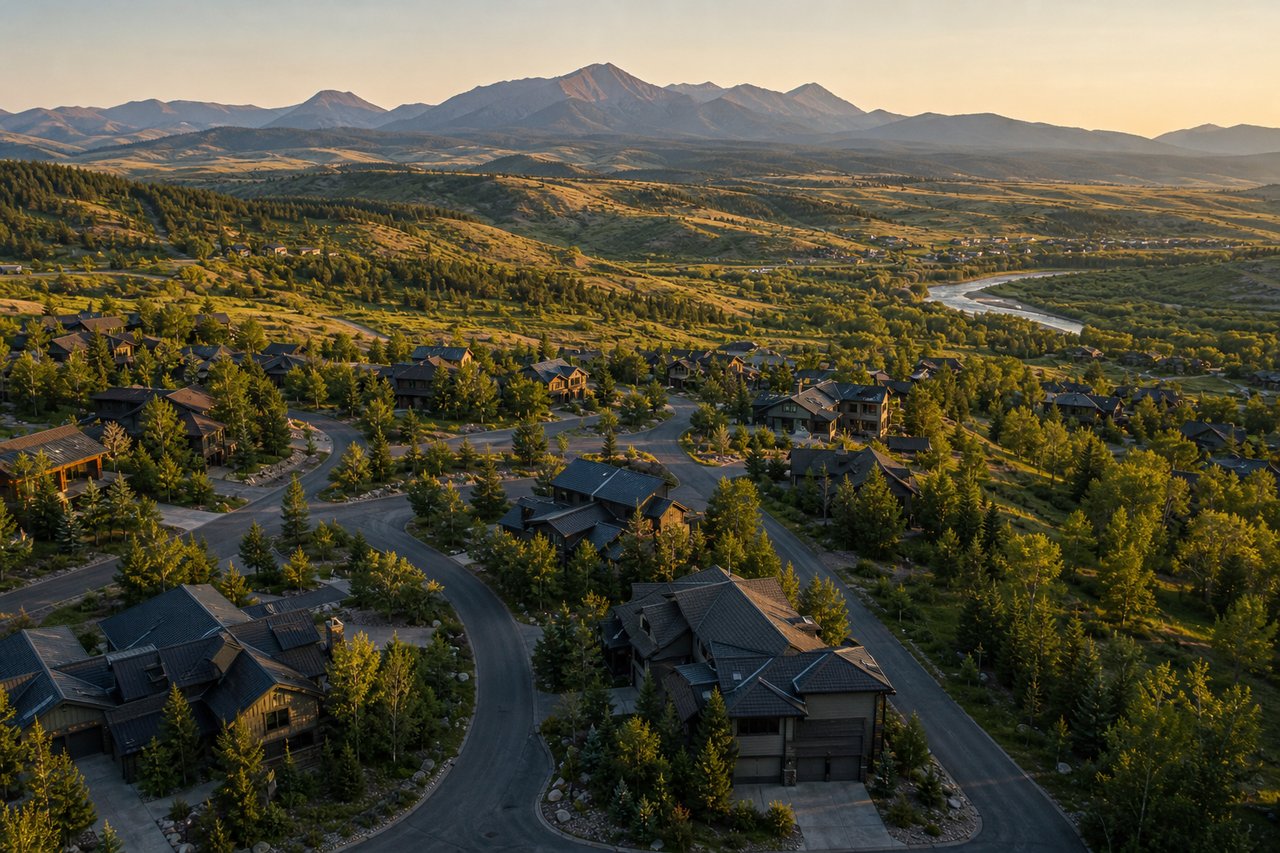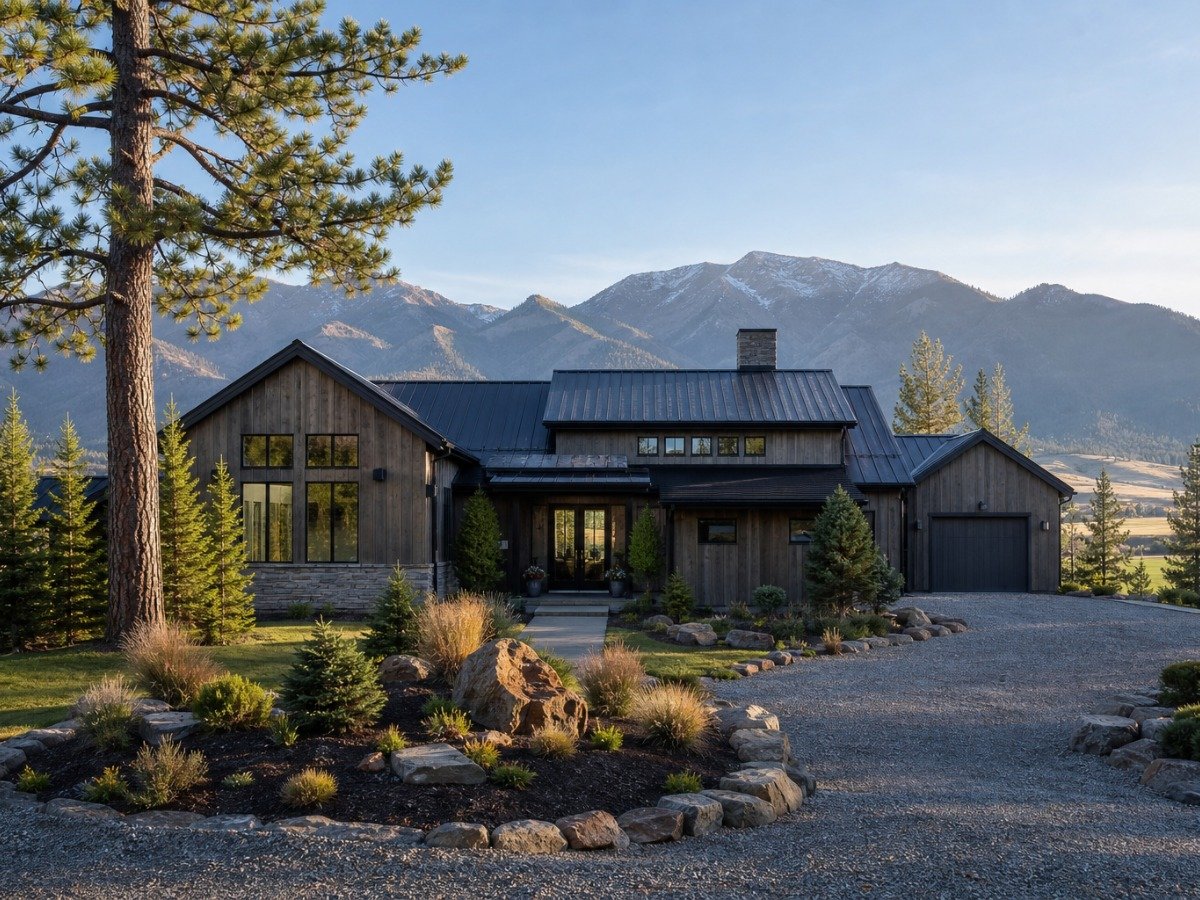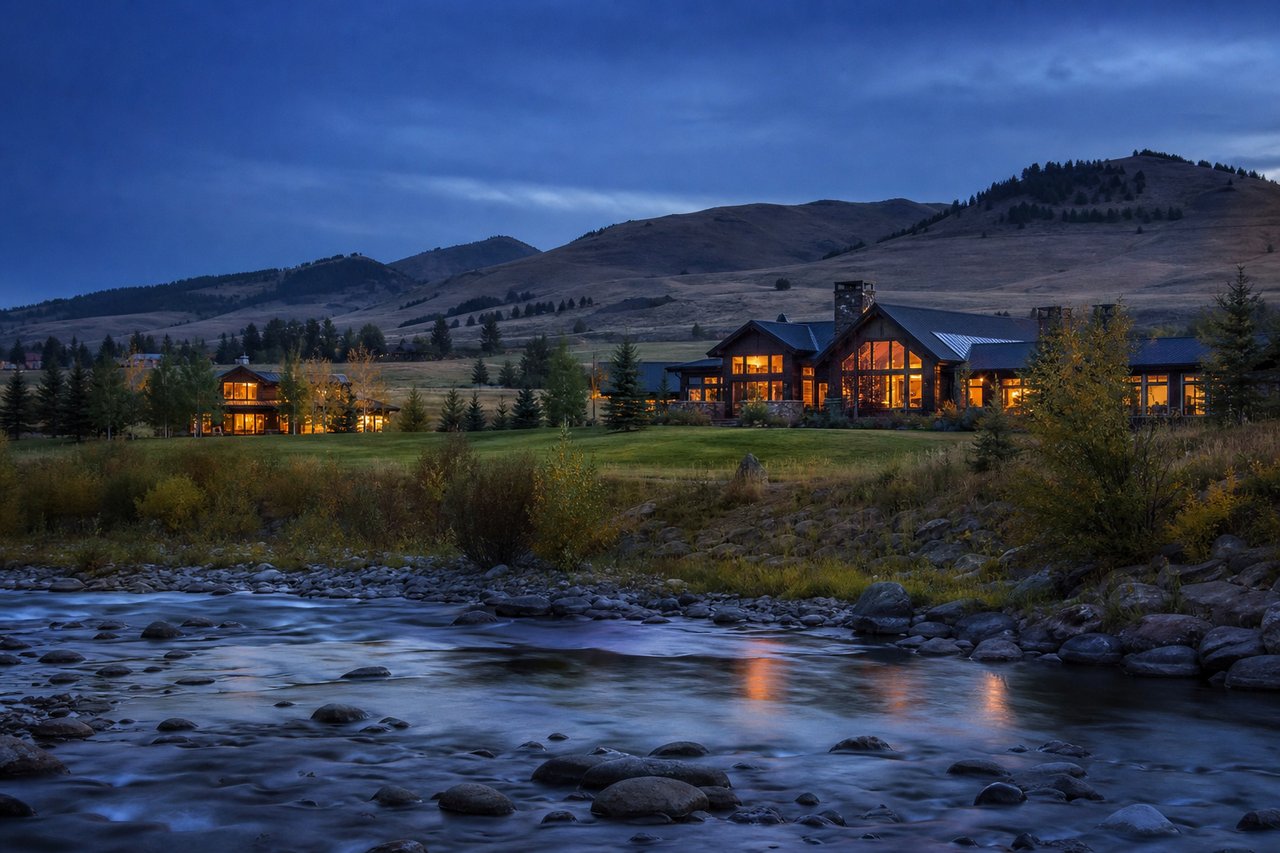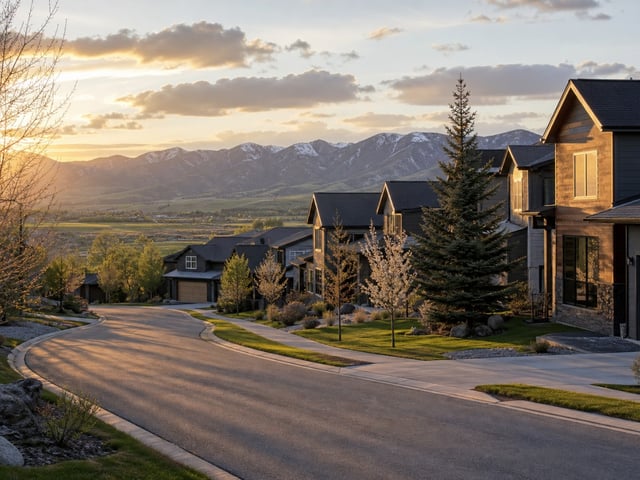
What do professionals need to know before relocating to Bozeman, Montana?
Bozeman is a real city with a real economy: a university, a regional hospital system, a growing tech and outdoor-industry employment base, and an airport with direct flights to major hubs. Most professionals who relocate here find it easier to settle than they expected, but the decisions you make in the first few weeks, especially around neighborhood and housing type, have a long tail. The biggest mistakes I see are treating Bozeman and Big Sky as interchangeable, and picking a neighborhood before you've mapped your daily commute.
Key Takeaways
- According to Realtor.com's September 2026 Bozeman market data, the median sold price was approximately $620,750, with homes averaging 61 days on market and 820 active listings, directional signals of a market that has more breathing room than a year ago.
- Bozeman's median listing price was reported at $866,000 in September 2026, reflecting a wide spread between what sellers ask and what homes actually close for, a gap worth understanding before you start touring.
- Big Sky's median home figure was reported near $3.3 million, making it a fundamentally different financial commitment than Bozeman for most professionals considering a full-time move.
- Long-term rentals in Big Sky are scarce; Bozeman's rental market is substantially larger and more accessible, with a reported median rent of around $2,423 per month.
- Winter readiness, roof condition, heating systems, driveway slope, tire type, is a practical cost and convenience factor that surprises many first-time Montana residents.
Is Bozeman or Big Sky the right base for a full-time professional?
For most people relocating for work, Bozeman is the answer. It has the services, the employers, the healthcare infrastructure, and the year-round community fabric that makes daily life work. Big Sky is a resort community, and it behaves like one: luxury-oriented housing, limited long-term rental inventory, and a mountain-road commute that gets genuinely slower and less predictable in winter.
That commute matters more than people expect. Bozeman to Big Sky is roughly an hour in good conditions, but winter driving on US-191 through Gallatin Canyon is a different experience than a summer weekend trip. Realtor.com's September 2026 Montana market data showed Big Sky's median home figure near $3,324,000 and a rental market so thin and luxury-skewed that it barely registers as a long-term rental option for most incoming professionals. If Big Sky is genuinely on your list, I'd strongly encourage you to test the commute during the season you'll actually be doing it, not just in July.
That said, Big Sky is an extraordinary place to own a second home or an investment property, and I work with buyers there regularly. The distinction I draw is simple: it's a lifestyle-and-commute decision, not just a neighborhood choice within the Bozeman metro.
What does the Bozeman housing market look like for incoming buyers?
The most recent portal data, from September 2026, shows a market with more options than buyers have had in several years. Realtor.com reported a median sold price of $620,750, 820 active listings, and a median days-on-market of 61, all pointing toward a market where buyers have more leverage than they did at the peak. Earlier in 2026, a March 2026 report from Explore Big Sky noted that newly under-contract Bozeman homes in January 2026 were up 13.7% year over year, and inventory was running 12% higher than the same period in 2025, a trend that carried through the spring and summer.
The spread between the median listing price ($866,000) and the median sold price ($620,750) tells you something useful: sellers are still pricing ambitiously, and well-priced homes are moving while overpriced ones sit. That gap is exactly where a local market analysis earns its value, knowing which properties are priced to sell versus which ones have been sitting is the kind of thing I can walk you through before you make an offer.
Market Indicator | Bozeman (Sept 2026) | Big Sky (Sept 2026) |
|---|---|---|
Median sold/home price (reported) | $620,750 | ~$3,324,000 |
Median listing price | $866,000 | N/A (portal estimate) |
Active listings | 820 | 212 |
Median days on market | 61 days | ~106 days (Aug 2026 avg.) |
Median monthly rent (reported) | $2,423 | $28,547 (luxury/limited inventory) |
Sources: Realtor.com Bozeman; Realtor.com Montana; Redfin Big Sky. Portal figures are directional estimates, not official MLS data. Big Sky rental figure reflects extremely limited luxury-oriented inventory, not typical long-term lease rates.
What about renting first in Bozeman?
Renting before buying is a legitimate strategy, especially if you're relocating from out of state and want to test a neighborhood before committing. Bozeman has a real rental market, the reported median rent of around $2,423 per month reflects a range that includes everything from studio apartments to single-family homes. Local reporting from April 2026 confirmed that affordability pressure remains a real issue across the Gallatin Valley for both buyers and renters.
The practical caution: start your rental search earlier than you think you need to. Inventory moves quickly, especially for well-located, long-term-lease properties. And if you're eyeing Big Sky as a rental base, verify that any listing you're considering is actually available for a year-round long-term lease, the line between short-term vacation rental and long-term rental is blurry in resort markets, and the last thing you want is to lose your housing mid-winter because the owner switches to nightly bookings.
Which Bozeman neighborhoods work best for professionals?
The honest answer is that the right neighborhood depends on where you work and how you want to spend your non-work hours. I don't have a single recommendation that fits everyone, but here's how I think about it with clients.
Central Bozeman and established west-side neighborhoods
Central Bozeman gives you the strongest walkability and the most direct access to downtown restaurants, the farmers market, and established amenities. Neighborhoods like Sundance Springs and areas near the university corridor put you close to Montana State University and Bozeman Health. If your work is downtown or on the south side, being central saves you real time. The tradeoff is that central Bozeman housing tends to be older stock, which means character and established landscaping, but also more to evaluate on inspection.
On the west side, Valley West and The Lakes at Valley West offer newer construction with more predictable maintenance profiles and good access to the west-side commercial corridor. Baxter Meadows and Baxter West extend further north and west, with newer housing at a range of price points.
South-side and luxury neighborhoods
Blackbull is one of Bozeman's most established gated communities, with a private golf course and a price profile that reflects it. If you're coming from a high-cost metro and want a property that holds its position in the market, Blackbull and The Legends at Bridger Creek are worth understanding. Flanders Mill offers a quieter, more residential feel with good access to south-side employers and services.
For buyers who want more land and a higher-end finish, Eagle Rock Reserve and Wiley Creek Estates sit further out but offer the kind of acreage and privacy that's genuinely hard to find closer to town. Home 40 is another option worth knowing, it attracts buyers who want space without going all the way to a rural property.
Big Sky neighborhoods for lifestyle buyers
If you're buying in Big Sky specifically for ski access and lifestyle, Spanish Peaks Mountain Club and Moonlight Basin are at the top of the market and offer amenity access that justifies the price for the right buyer. Meadow Village and Mountain Village have distinct feels and price points, lumping them together as "Big Sky" misses real differences in what you're buying and how you'd use it. This is a conversation worth having in detail before you start touring.
For a deeper look at how I approach finding the right agent match for a relocation, this post on choosing a relocation agent in Bozeman covers what to look for and why local expertise matters more than you might expect.
What practical things do new Bozeman residents get wrong?
Winter readiness is the one I see most often. People move here in summer, fall in love with the mountains, and close on a house without thinking carefully about the driveway slope, the heating system age, the roof condition, or whether the insulation is adequate for a Montana winter. Those aren't deal-breakers, they're line items. But they affect your operating costs and your daily convenience in ways that don't show up in the listing photos.
A few things I tell every out-of-state client to think through before they finalize a property:
- Driveway and parking: A steep driveway that's charming in August can be a genuine problem in January. Ask about snow removal access and whether the garage is heated.
- Heating system and insulation: Age, fuel type, and condition matter. A home that looks move-in ready can have a furnace that's overdue for replacement.
- Roof condition: Snow load is real in Gallatin County. A roof inspection isn't optional here.
- Tires and vehicle readiness: All-season tires are not the same as snow tires. This matters the first time you're driving to work at 7 a.m. in a February storm.
- Emergency supplies: Keeping a kit in your car, jumper cables, a blanket, a shovel, is standard practice for anyone spending a winter in the Gallatin Valley.
Outdoor access is the other side of the equation, and it's a genuine lifestyle benefit. Skiing, hiking, fishing, and access to public lands are central to why people move here and why they stay. Just go in with eyes open: peak recreation periods add traffic on routes toward mountain areas, and building recreation time into your schedule takes some intentionality when you're also starting a new job or getting a household established.
If you're weighing the investment side of a Bozeman purchase alongside the lifestyle decision, this post on flexible real estate strategies in Bozeman and Big Sky covers how buyers are thinking about rental flexibility and resale positioning in both markets.
Every relocation has its own wrinkles, the right neighborhood, the right timing, the right property type all depend on your specific situation. That's the conversation I have with every client before we start looking.
If you're ready to talk through your move, I'd love to hear where you're coming from and what you're trying to build here. Read what my clients say about working with me on Google and Zillow.
FAQ: Relocating to Bozeman, Montana
What is it really like to move to Bozeman for work?
Bozeman functions as a real mid-size city with a diverse employer base, including Montana State University, Bozeman Health, and a growing tech and outdoor-industry sector. Most professionals find the transition manageable, but housing costs are high relative to Montana's historical norms, and the rental market moves fast, starting your search at least two to three months before your move date is a practical necessity.
Is Bozeman's housing market becoming more affordable for buyers in 2026?
There are more options than there were a year ago. September 2026 portal data showed 820 active listings and a median sold price of $620,750, with homes averaging 61 days on market, all signs of a market with more buyer leverage than the peak years. That said, affordability remains a real concern across the Gallatin Valley, and well-priced homes in desirable neighborhoods still move quickly.
How difficult is it to find a long-term rental in Bozeman?
Bozeman has a meaningful rental market, with a reported median rent around $2,423 per month, but good long-term rentals in desirable neighborhoods go quickly. Start your search early, verify that any listing you're considering is genuinely available for a year-round lease, and be prepared to move fast when you find something that works.
How far is Big Sky from Bozeman, and is commuting between them realistic?
The drive is roughly 50 miles and takes about an hour in good conditions, but winter driving through Gallatin Canyon on US-191 adds meaningful time and unpredictability. Commuting daily from Big Sky to Bozeman is possible but demanding in winter, I always recommend that anyone seriously considering it test the drive during the season they'll actually be doing it, not just in summer.
What should remote workers know before relocating to Bozeman?
Internet infrastructure varies by neighborhood and property type, so verify connectivity before you commit to a specific address, especially in more rural or peripheral areas. Beyond that, remote workers tend to love Bozeman because the lifestyle benefits are accessible on a flexible schedule, but housing costs are real and the rental market is competitive, so the financial planning deserves the same rigor you'd apply in any high-cost metro.
Relocating to Bozeman is one of the best decisions a lot of my clients have made, but the ones who land well are the ones who did the homework on neighborhood fit, winter readiness, and realistic housing costs before they arrived. That's exactly the kind of guidance I provide. Reach out and let's talk through your specific situation.
Contact Amelia: [email protected] | 406-599-7711
Search Bozeman listings: ameliarealestateco.com
Equal Housing Opportunity. Amelia Turbyfill, License #RRE-RBS-LIC-62171, regulated by the Montana Board of Realty Regulation. This article is general information only and is not legal, tax, or financial advice. Confirm your specific numbers with your closing agent, tax advisor, or lender.