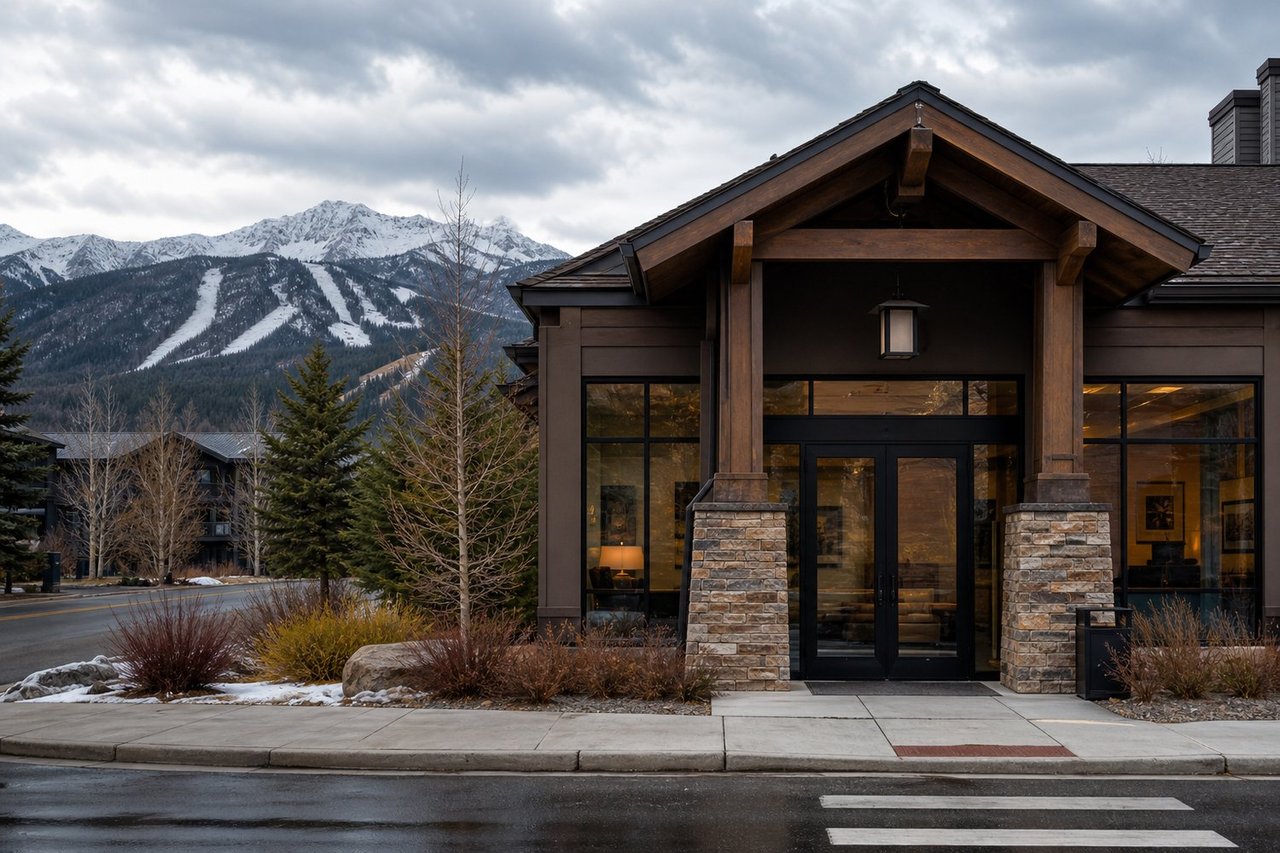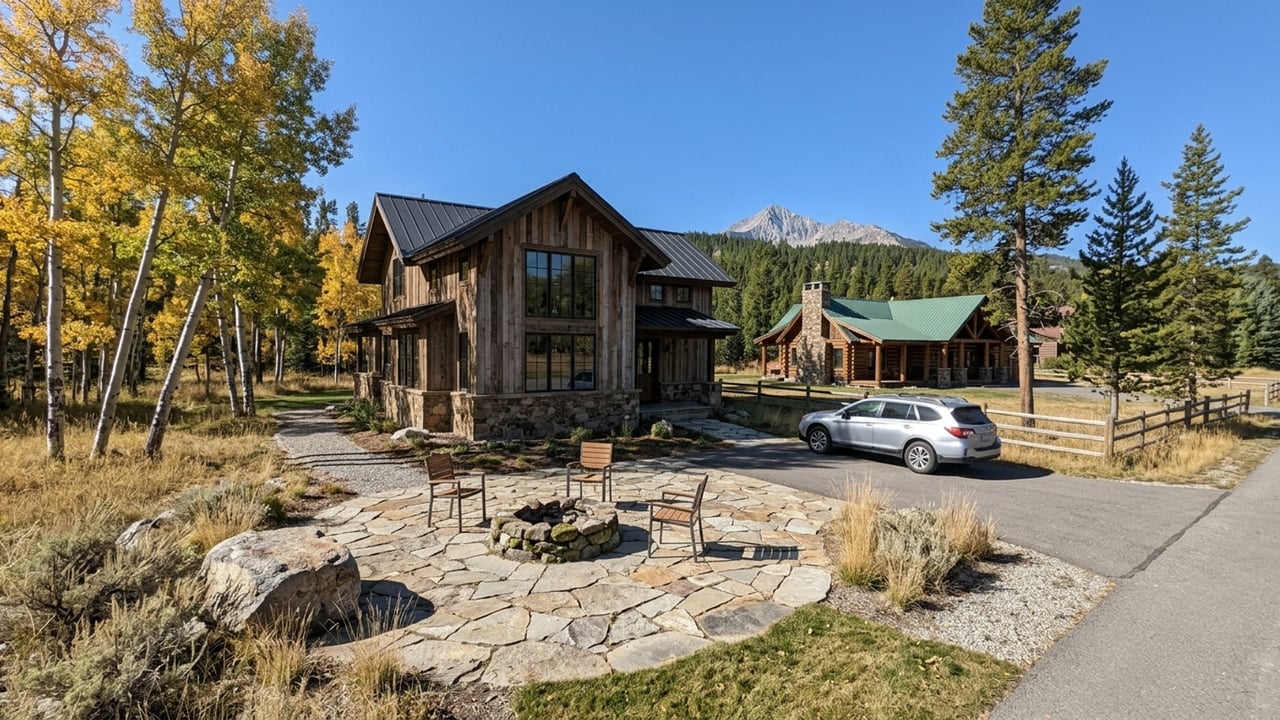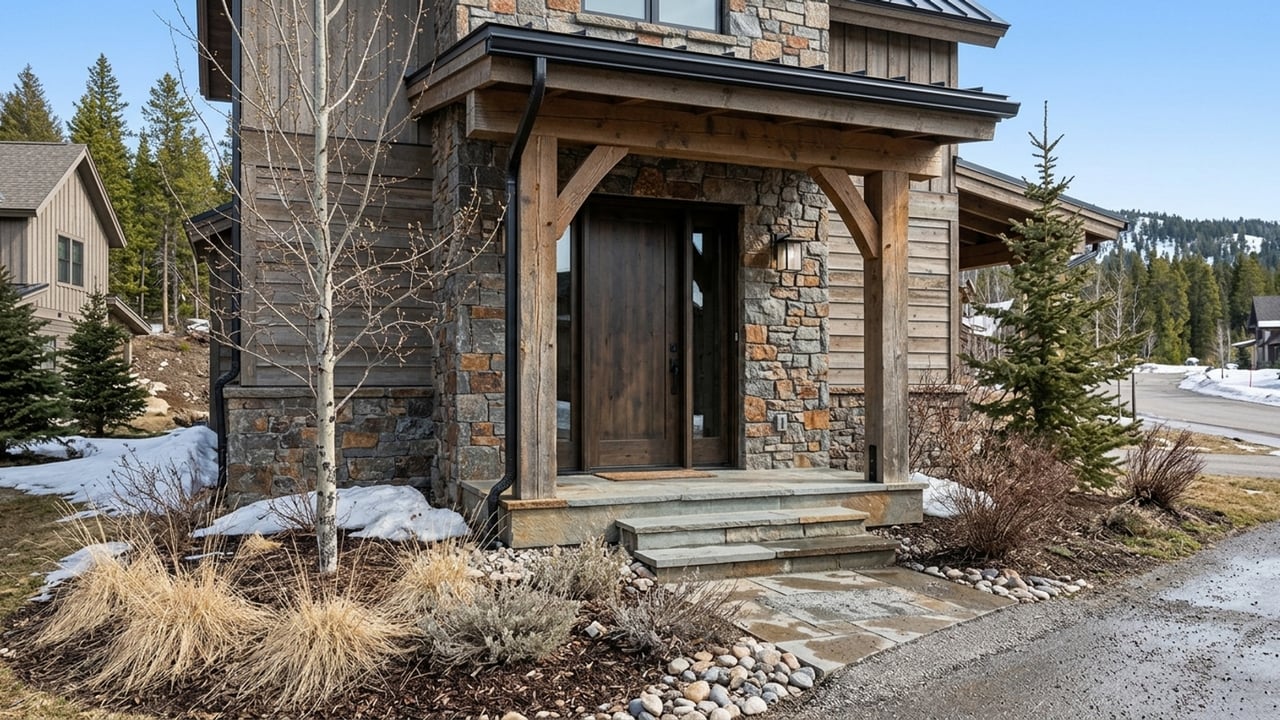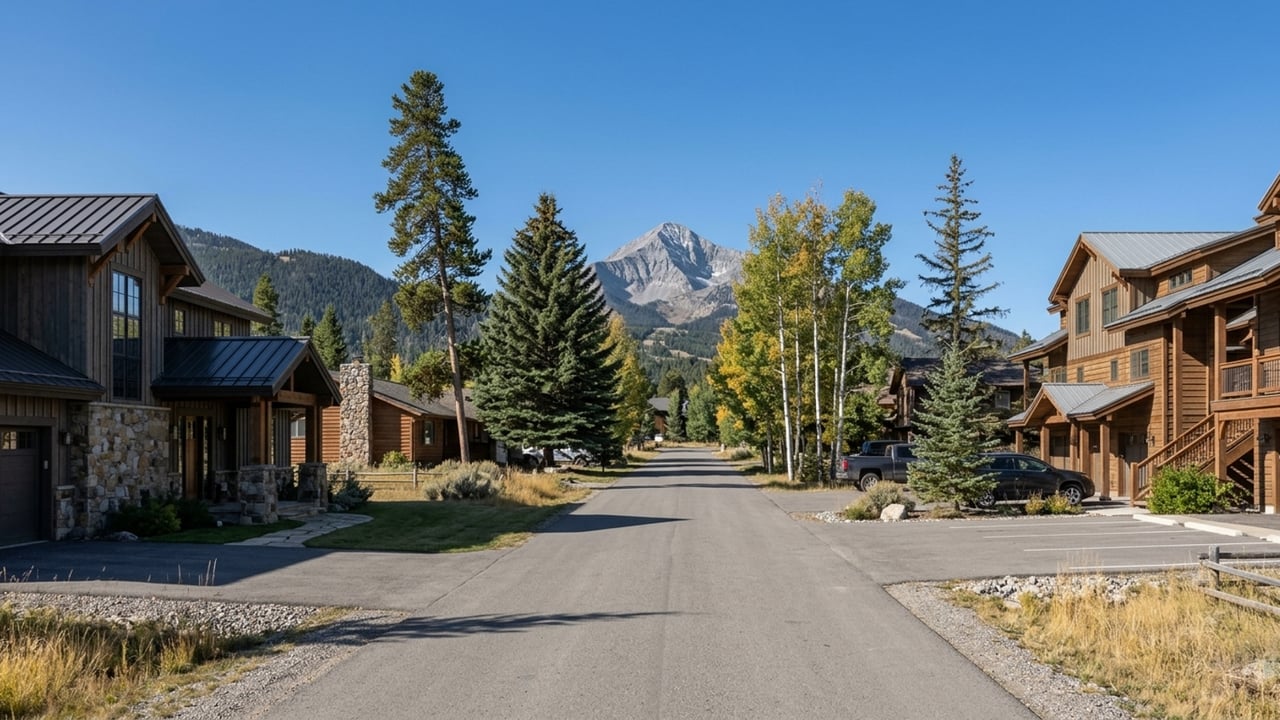
The median home price in Big Sky, MT sits well over $2 million, but that single number hides a shifting reality for buyers and sellers. Inventory is rising, properties are sitting longer, and the dynamics of purchasing a ski condo or a mountain house have changed in ways the headline figure doesn't show.
Key Takeaway
Big Sky is a buyer's market. The overall median sale price rose, but both condo and single-family medians fell, and no home sold above list in the 90 days ending October 31, 2026. Start with condos if you want the widest choice and a faster, more predictable deal. Look at single-family homes if you want the most negotiating room and can wait out a slow market.
Who This Guide Is For
You're weighing a purchase or sale in Big Sky and need to know whether prices are rising and how much negotiating room you have in the condo or single-family segment.
Big Sky Housing Market Overview
Big Sky's headline median rose 5.1% to $2,348,367 in the 90 days ending October 31, 2026, but prices fell in both segments. Condo medians dropped 16.9% (based on 49 sales), and single-family medians fell 14.1% (based on 23 sales). Buyers in both segments have negotiating room the headline conceals. Additional context on these property segments is available in our breakdown of buying a home in Big Sky.
Why the Overall Median Rose While Condo and Home Prices Fell
The blended median went up because of what sold. Condos and single-family homes made up 72 of the 73 sales in this period. When more expensive single-family homes close in a given quarter, the blended median rises even if every segment is cheaper than it was a year ago. Anyone quoting the market as up 5% is reading the mix of sales, not the underlying property values. For a true read on value, ask your agent for comparable sales in the specific building or subdivision you're targeting.
Is Big Sky a Buyer's or Seller's Market?
By the standard six-month supply benchmark, Big Sky is a buyer's market, with 6.1 months of supply across all homes. That means you can ask for price reductions, repair credits, or longer inspection periods without competing bids pushing your offer up.
What you give up is certainty around timing. Big Sky is seasonal, and buyers' bargaining power can narrow around ski season, when more buyers visit the resort. Sale-to-list data isn't reported for this window, so ask an agent for the actual list-to-sale gap on recent comparables.
How to Narrow Your Big Sky Search
Your starting point depends on your budget, your timeline, and how you plan to use the property.
- If your budget is below roughly $1.5 million, the condo segment is where the volume is. Go to the condo prices and Meadow Village sections.
- If you need ski access from the door, start in Mountain Village. If a short drive to the lifts is fine, Meadow Village opens up.
- If you can hold an offer open and wait out a seller, read about single-family homes and the tips for buyers, where slower sales give you the most negotiating room.
- If you're selling, read the tips for sellers first. Your property type sets how long you should plan to be on the market.
Big Sky Condos vs. Single-Family Homes
Condos buy you a lower entry price and faster deals. Single-family homes buy you more space and more bargaining power, at the cost of thin pricing data and a slow exit.
Big Sky Condo Prices
Condos make up the bulk of the market and provide the most reliable data set, with 49 sales in the recent 90-day window and a median price of $1,409,117. A condo costs about $150 less per square foot than a house: the condo median is $889 per square foot, compared to $1,037 for single-family homes. That puts condos roughly 14% cheaper per square foot.
The catch is that HOA dues, special assessments, and rental restrictions vary building by building and can erase the per-square-foot advantage entirely.
Big Sky Single-Family Home Prices
The single-family market is much smaller and considerably more expensive, with a median price of $4,122,648 based on only 23 sales. With so few closings, one or two large transactions can swing the median dramatically. Pricing a specific house requires hand-picked comparables rather than the broad median.
Thin data cuts both ways. Buyers have little proof that a list price is high, and sellers have little proof it's fair. Expect longer negotiations on stand-alone houses.
Big Sky Areas to Know
Where you buy determines your daily commute to the mountain and your access to local services.
Mountain Village
Mountain Village offers immediate ski access at the base of Big Sky Resort and has a condo-driven housing stock. Lone Peak's summit sits at 11,166 feet, with 4,350 vertical feet from the Mountain Village Base Area (7,500 feet) and the Madison Base Area. If you want lift access right outside your door, start here.
What you give up is year-round consistency. Resort-base convenience usually comes with higher HOA dues and a seasonal feel in the shoulder months.
Meadow Village
Meadow Village sits at a lower elevation and offers a mix of condos, townhomes, and houses near local services and the Big Sky Golf Course. Arnold Palmer originally designed the golf course in 1973, and Carl Thuesen and Mike DeVries later renovated it.
The area suits buyers who are fine driving to the lifts in exchange for closer access to restaurants and groceries. The catch is the commute to the ski base, which matters most on peak powder days. Check the current Skyline bus schedule if you plan to rely on transit.
Private Club Communities
Private club communities like Yellowstone Club, Spanish Peaks Mountain Club, and Moonlight Basin sit within the Big Sky area and make up a significant portion of the high-end single-family market. These neighborhoods offer private amenities and their own trail networks.
Membership deposits and annual dues sit on top of the purchase price and aren't reflected in any market median. Request the current membership deposit and annual dues schedule in writing before you write an offer.
Buying and Selling in Big Sky Right Now
Condos and houses sell at very different speeds, and days on market set both your offer terms and how long you carry costs.
Tips for Buyers
Condos sell faster than houses, with a median 138 days on market and 5.5 months of supply. Inventory is deep enough that you can compare several units before committing.
For illustration only: on a $1.4 million condo, each 1% off the price is about $14,000. Frame your negotiations around that math, asking for seller credits, longer inspection times, or flexible closing dates. A buyer's market is an average, not a guarantee on every listing. The best-located units in ski-access buildings may still draw multiple showings in winter.
Tips for Sellers
Single-family sellers should plan for a long market time and price against hand-picked recent comparables. A typical Big Sky house took about eight months to sell, with a median 249 days on market and 7 months of supply (based on 23 sales).
Condo sellers should price competitively against deep same-building inventory. A high list price costs you time, and HOA dues, taxes, insurance, and utilities keep running through a long market time. Budget for them in your pricing decision.
Ownership Costs Beyond the Price
Verify these costs before removing your inspection contingencies.
HOA and Club Dues
Dues are building- and club-specific, covering everything from basic snow removal to extensive private amenities. Never assume a standard rate based on a property's size. Special assessments for roofs or lifts can arrive after closing. Ask each HOA for current dues, what they cover, the reserve study, and any pending special assessments.
Montana Property Taxes on Second Homes
Montana now taxes primary residences at a lower rate than second homes. Under the homestead rules, qualifying primary residences are taxed at a graduated rate starting at 0.76%. Second homes and short-term rentals face a flat 1.9% rate beginning with 2026 tax bills.
Confirm whether a parcel is in Gallatin or Madison County before estimating your taxes, then check the bill with that county's treasurer.
Homeowners Insurance
Mountain properties face wildfire and snow-load considerations that affect insurability and premiums, and some carriers limit their exposure in forested resort areas. Get homeowners insurance quotes during the inspection period, not after, so the final cost doesn't surprise you at closing.
Big Sky Housing Market Outlook
Inventory against the sales pace sets how much room buyers have to negotiate. Active inventory sits at 144 homes, compared to 73 sales over the recent 90-day window. If those active listings shrink or ski-season demand rises, today's buyer advantage will narrow.
What Could Shift Negotiating Power in 2027
New development supply is the other variable to watch. The Cold Smoke workforce housing project broke ground in October 2026 and aims to add hundreds of units in the coming years.
This data covers one 90-day window, and medians move with which homes happen to close. Check the next quarterly update before treating today's numbers as a lasting trend. If you're also weighing Park City, compare the two resort markets on lifestyle and investment value before choosing.
At a Glance
- Median sale price, all homes: $2,348,367, up 5.1% year over year (90 days ending Oct 31, 2026; 73 sales)
- Median sale price, condos: $1,409,117, down 16.9% year over year (90 days ending Oct 31, 2026; 49 sales)
- Median sale price, single-family homes: $4,122,648, down 14.1% year over year (90 days ending Oct 31, 2026; based on only 23 sales, so treat with caution)
- Median price per square foot: all homes $948, condos $889, single-family $1,037 (single-family based on 23 sales) (90 days ending Oct 31, 2026)
- Median days on market: all homes 176, condos 138, single-family 249 (single-family based on 23 sales) (90 days ending Oct 31, 2026)
- Homes sold above list price: 0% for all homes, condos and single-family (90 days ending Oct 31, 2026)
- Months of supply: all homes 6.1, condos 5.5, single-family 7 (single-family based on 23 sales) (90 days ending Oct 31, 2026)
- Active inventory: 144 homes total, 90 condos, 52 single-family (90 days ending Oct 31, 2026)
Big Sky Housing Market FAQs
Why Is Big Sky Real Estate So Expensive?
Strong resort demand meets a hard cap on land. The community is surrounded by the Custer Gallatin National Forest, so private buildable land is strictly limited.
What Is the 3-3-3 Rule in Real Estate?
It is informal guidance, not an official industry or regulatory standard, and definitions conflict. One version: save three months of living expenses, keep three months of mortgage reserves, and compare at least three similar homes before making an offer. Another: buy a home priced at no more than three times your annual gross income, put down at least 3%, and keep total monthly housing costs under 30% of your gross monthly income.
How Much Is the Big Sky Resort Tax?
The Big Sky Resort Area District levies a resort tax on lodging, restaurants, and retail goods. The rate can change, so check the district's official website for the current percentage and whether it touches any part of your real estate transaction.
What County Is Big Sky, MT In?
Big Sky straddles two counties. The western portion, including Lone Mountain and Big Sky Resort, is in Madison County. The eastern portion, including Meadow Village and Town Center, is in Gallatin County. The boundary determines where you pay property taxes and record your deed.
Is Big Sky, MT a Town?
No. Big Sky is unincorporated, with local governance shared between the Gallatin and Madison county commissions and the Big Sky Resort Area District, whose authority voters extended through 2032.
How Far Is Big Sky From Bozeman?
Big Sky is about 45 miles south of Bozeman. Bozeman Yellowstone International Airport (BZN) is about 50 miles away, roughly one hour by car, mainly via U.S. Highway 191 through the Gallatin Canyon.
Is Big Sky, Montana in Yellowstone National Park?
No. The park boundary is about 15 miles away, but the official West Entrance in West Yellowstone, MT is about 50 miles south, roughly an hour's drive on U.S. Highway 191.
Can You Use a Big Sky Home as a Short-Term Rental?
It depends on the zoning district and the HOA. In Gallatin County, a short-term rental is generally a dwelling rented for 30 days or less, and only the Gallatin Canyon/Big Sky and Hebgen Lake districts specifically mention it as a permitted use. The Gallatin City-County Health Department requires a Public Accommodations License regardless of zoning. Confirm the building's HOA rental restrictions before buying.
Sources
- Redfin: Data Center
- Big Sky Resort: Mountain Info
- GolfPass: Big Sky Resort Golf Course
- Montana Legislature: Commercial & Residential Property Tax Brochure
- Explore Big Sky: A Tale of Two Counties
- Big Sky Resort Area District: About
- Visit Big Sky: Getting Here & Getting Around
- Visit Big Sky: Yellowstone National Park
- Gallatin County: Short-Term Rental FAQs
- Big Sky Community Housing Trust: Cold Smoke
- Skyline Bus: Winter Schedule
- FastExpert: What Is the 3-3-3 Rule in Real Estate?