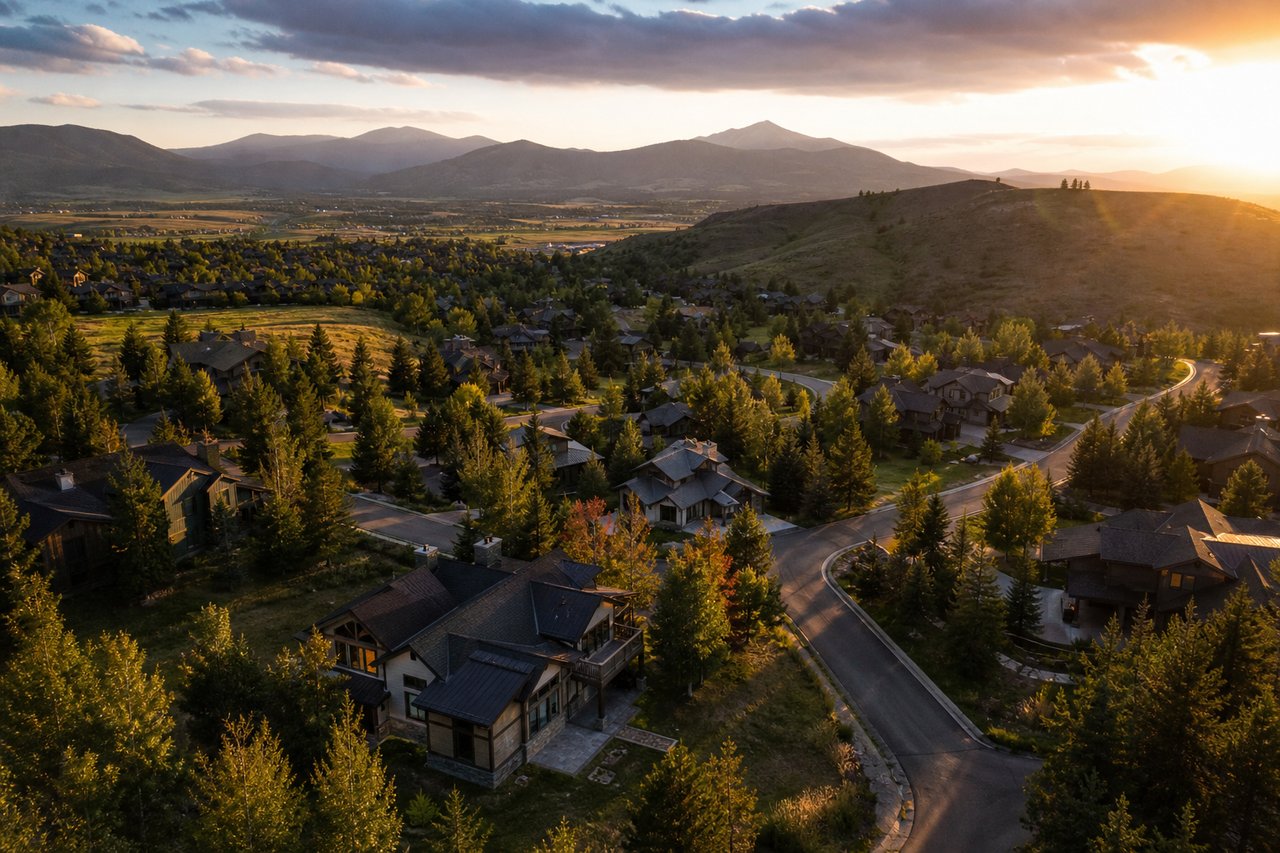
Is buying a vacation home in Big Sky a good investment in 2026?
Big Sky vacation homes can be strong investments, but the answer depends heavily on the specific property, its location within the market, and whether short-term rentals are permitted by the county zoning, subdivision covenants, and any condominium or HOA documents. The market draws two distinct demand seasons, winter skiing and summer recreation, and the combination creates a year-round rental case that few comparable mountain markets can match. That said, appreciation in a luxury resort market is never guaranteed, and the operating costs and tax obligations here are real and specific to Montana.
Key Takeaways
- Big Sky straddles Gallatin County and Madison County, so the first due-diligence step on any purchase is confirming which county the property sits in and what zoning rules apply.
- Short-term rentals in Big Sky, defined as stays of less than 30 consecutive days, are subject to a combined 12% lodging-tax burden: 8% in state lodging-related taxes plus a 4% Big Sky resort tax collected from guests.
- Second homes and short-term rentals in Montana may be assessed at a flat 1.90% of full assessed value, which can differ meaningfully from the treatment of a primary residence. Verify your specific property with the Montana Department of Revenue before closing.
- Every property's short-term rental eligibility must be confirmed against county zoning, recorded covenants, condominium declarations, and HOA rules. County permission alone is not enough.
- Big Sky's investment case is strongest when you model both demand seasons separately rather than projecting annual income from a single peak-ski-week number.
Why Big Sky behaves like a different market
I was quoted in a Leading Estates of the World article about Big Sky as a rising luxury market in August 2026, and the reason that story got written is the same reason investors keep calling me: this place has the fundamentals that most resort markets never develop.
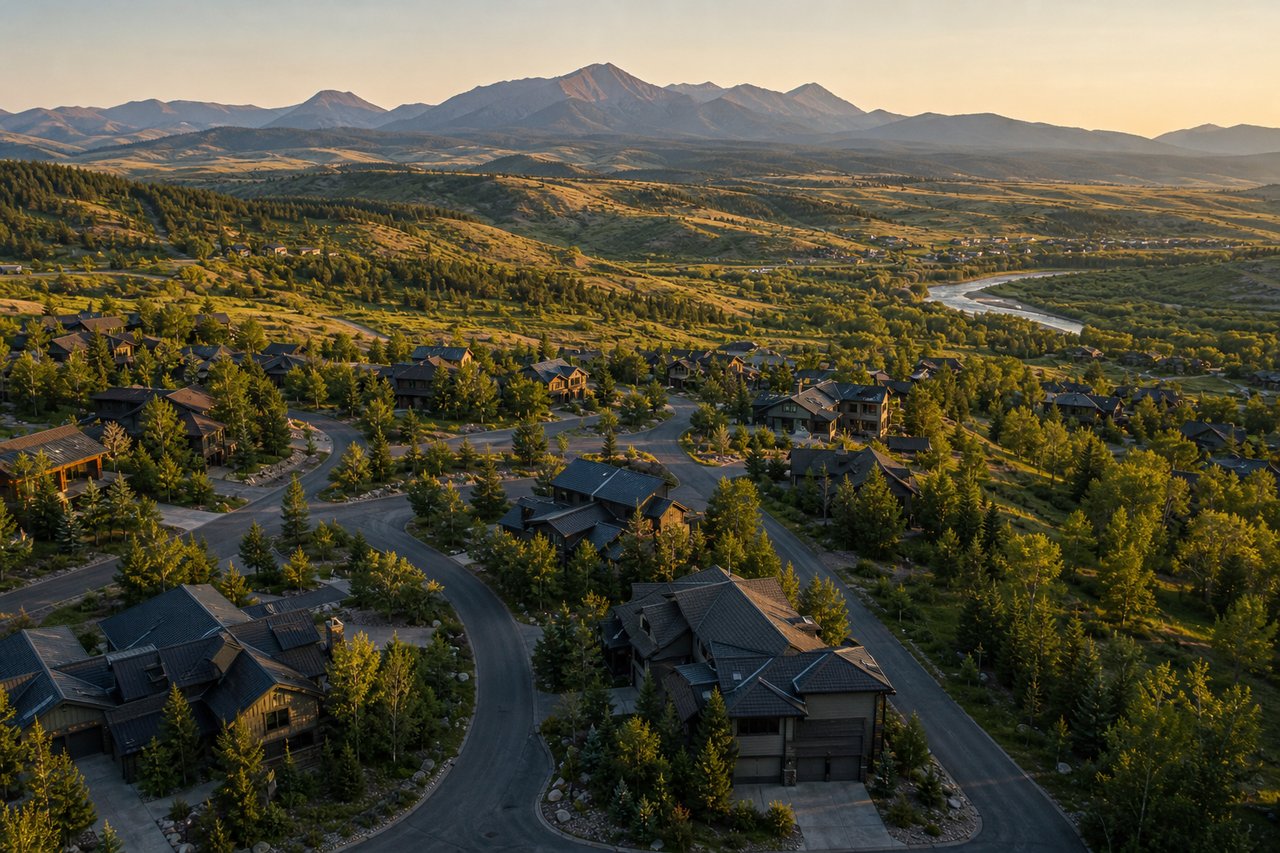
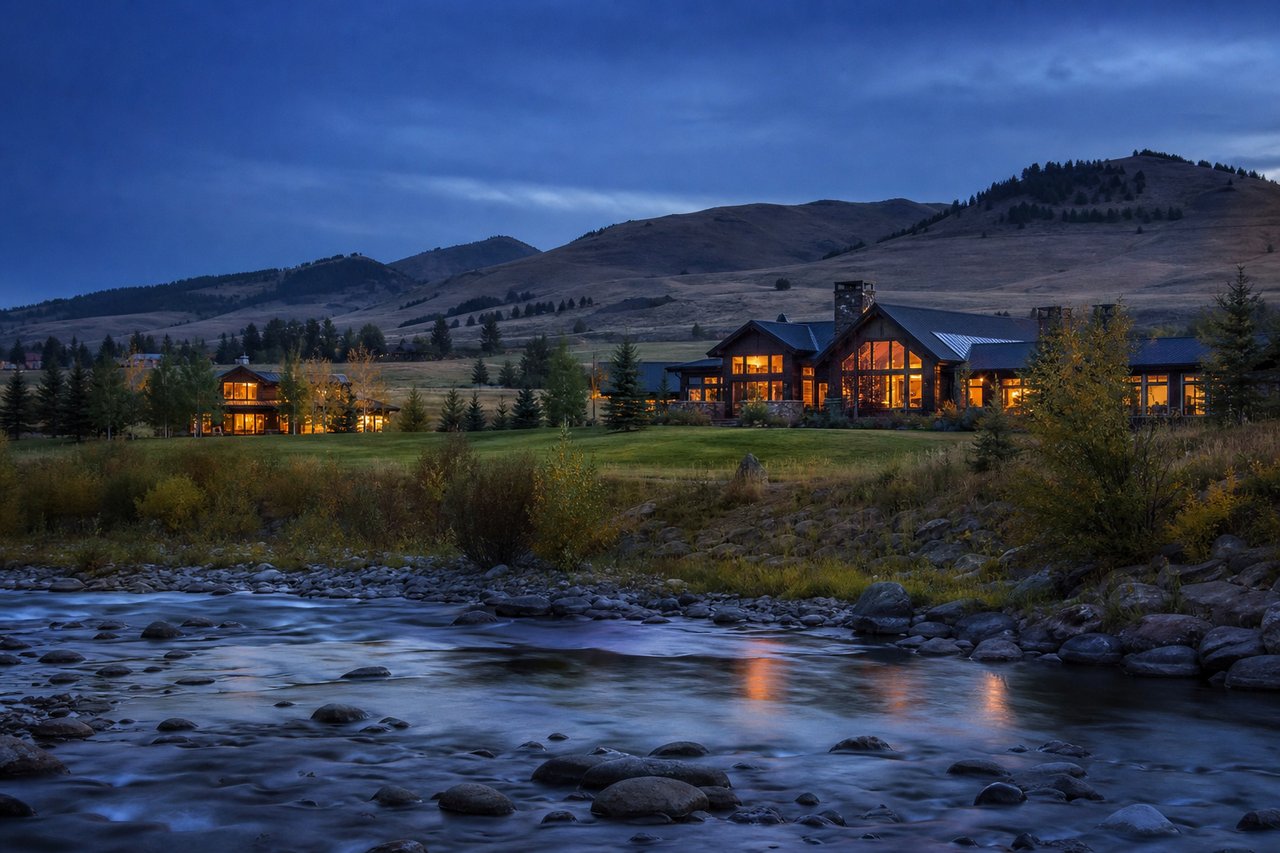
You have Yellowstone Club anchoring the very top of the price range, which sets a floor on luxury perception across the whole area. You have Big Sky Resort, one of the largest ski areas in the country by acreage, driving winter demand. And you have a summer season built on world-class trail systems, fly fishing, and proximity to Yellowstone National Park that has grown into a genuine second peak, not just a shoulder-season trickle.
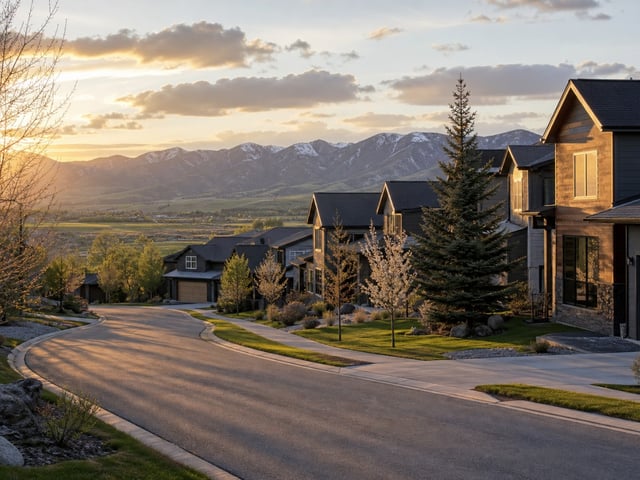
But here's what I tell every investor who calls me after reading a headline about Big Sky: the market is not one market. Meadow Village, Mountain Village, the Canyon, and Spanish Peaks all have distinct price points, rental dynamics, and buyer profiles. Lumping them together as "Big Sky" and running a single income model is the fastest way to underwrite a deal that doesn't perform. I work these submarkets every week, and I never comp across them.
The county-line issue that catches buyers off guard
Big Sky is an unincorporated community, not an incorporated municipality with its own city government. It spans parts of both Gallatin County and Madison County, according to Discover Big Sky. That matters because the applicable zoning, permitting, and short-term rental rules depend on which county a specific property sits in, and those county rules may differ from each other.
Before you make an offer on any property you intend to rent, you need to know: which county, what zoning district, what the recorded subdivision covenants say, and what the condominium declaration or HOA rules allow. I've seen buyers assume that because a neighboring unit is listed on Airbnb, their unit can be too. That assumption has burned people. Confirm it in writing before you're under contract.
What the resort-tax framework actually means for your numbers
The Big Sky Resort Area District defines short-term rentals as stays of less than 30 consecutive days and subjects them to the resort tax. Agreements longer than 30 consecutive days are excluded from that tax treatment. In practice, guests in Big Sky short-term rentals generally face a combined 12% lodging-tax burden: 8% in state lodging-related taxes plus a 4% Big Sky resort tax, per Discover Big Sky. The tax is collected from guests, not paid out of your rental income directly, but it affects your pricing competitiveness and your administrative obligations as an owner.
You'll need to build tax registration, collection, and remittance into your operating plan before you ever list the property. The research confirms the resort-tax framework, but the full current licensing checklist changes, so confirm your specific obligations with the Big Sky Resort Area District and the Montana Department of Revenue before you go live.
How to evaluate a Big Sky vacation rental as an investment
Model both seasons, not just ski week
The investment case for a Big Sky vacation rental depends on both winter and summer demand. Visit Big Sky publishes monthly lodging-performance reports covering occupancy, average daily rate (ADR), and revenue per available room (RevPAR). These are the right local benchmarks to use when building an income projection, and I'd encourage any serious buyer to pull them before running their numbers. Projecting annual income from a single peak ski-week rate and multiplying it out is a common mistake that leads to overestimating returns significantly.
Summer in Big Sky has strengthened as a demand season, but it is not identical to winter in length or rate. A defensible model accounts for both peaks, the shoulder months between them, and realistic vacancy. Your specific property's location, ski-in/ski-out access, proximity to trails, and lock-off capability will move those numbers materially.
Lock-off capability and rental flexibility
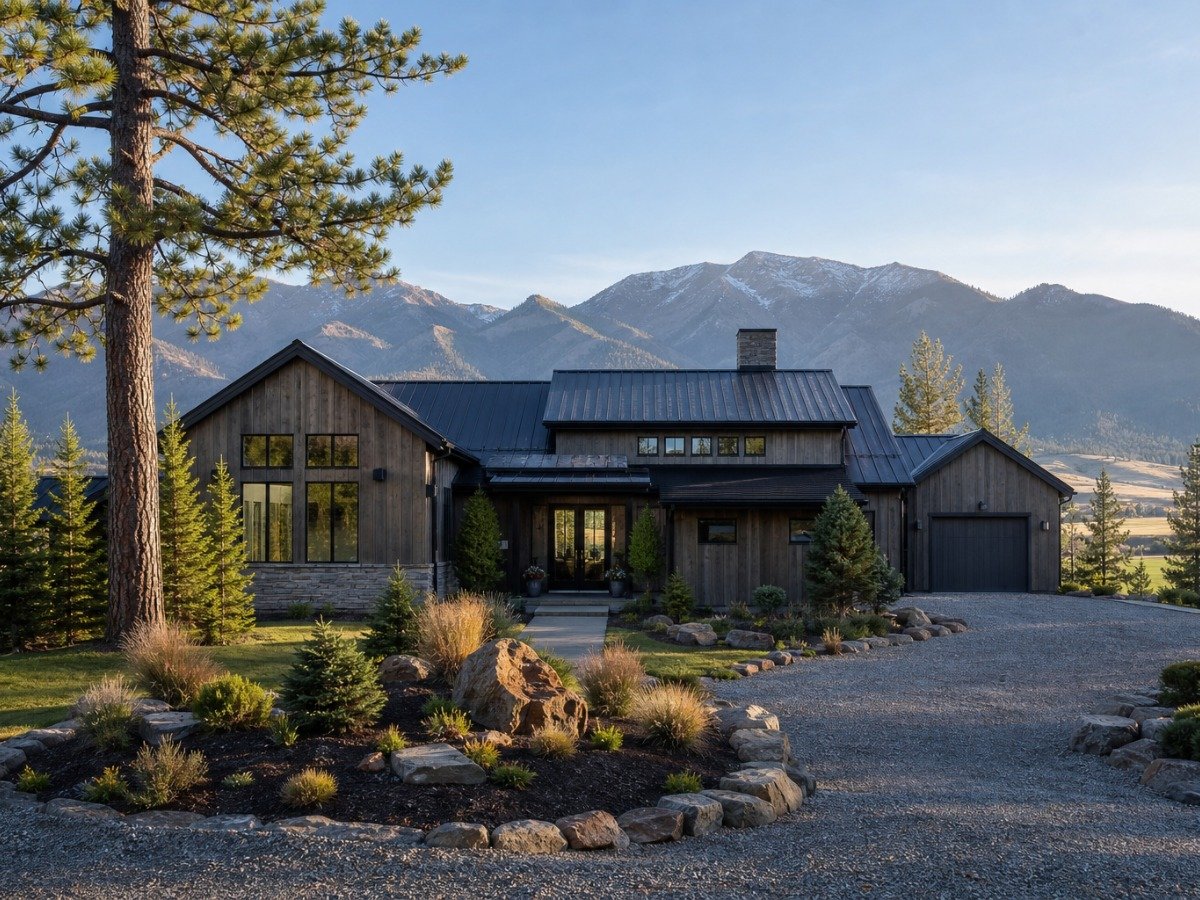
In Bozeman, I rarely hear buyers ask about lock-off units. In Big Sky, I hear it constantly, and for good reason. A property with a lockable secondary suite gives you the option to use part of the home while renting the other portion, which changes the math on both personal use and rental income. For investors who want to use the property themselves during peak weeks without giving up all rental revenue, lock-off capability is one of the highest-value features to look for. It's the kind of thing that doesn't show up in a listing headline but makes a real difference to how the investment performs.
If you want a deeper look at how flexibility factors into the investment strategy here, I wrote about flexible real estate strategies in Bozeman and Big Sky. It covers STRs, structure, and resale in more depth.
Appreciation as an objective, not a guarantee
Big Sky has drawn national attention as a rising luxury market, and the long-term appreciation story is real. But I'd be doing you a disservice if I presented appreciation as a predictable return. Luxury resort markets move in cycles. Inventory levels, interest rates, resort-area demand, and property-specific factors all influence where any individual home lands. The buyers who do best here are the ones who underwrite the deal on rental income and treat appreciation as upside, not the other way around.
One specific number worth knowing: according to Discover Big Sky, second homes and short-term rentals in Montana may be assessed at a flat 1.90% of full assessed value for property-tax purposes, which can differ from the treatment applied to a primary residence or qualifying long-term rental. Verify your specific property's treatment with the Montana Department of Revenue. This one line item can move your annual carrying costs by thousands of dollars depending on assessed value.
Investment Consideration | What to Know for Big Sky |
|---|---|
Short-term rental definition | Stays under 30 consecutive days; subject to resort tax |
Combined guest lodging-tax burden | 12% (8% state lodging taxes + 4% Big Sky resort tax) |
Property-tax rate (second homes / STRs) | Potentially 1.90% of full assessed value; verify with Montana Dept. of Revenue |
County jurisdiction | Gallatin County or Madison County depending on property location |
STR eligibility confirmation | County zoning + subdivision covenants + condo declaration + HOA rules |
Demand seasons | Winter ski season + summer recreation (model separately) |
For a full walkthrough of how to approach a luxury purchase in this market, my guide on how to buy luxury real estate in Big Sky covers the process from search through closing in detail.
Every situation is different, and the only way to know whether a specific property's numbers work for your goals is to run them with someone who knows this market. That's exactly the kind of conversation I have with buyers before they ever make an offer.
If you'd like to read what past clients have said about working with me, you can find my reviews on Google and Zillow.
FAQ: Big Sky Vacation Home Investment
Are short-term rentals legal in Big Sky, Montana?
Short-term rentals are generally permitted in Big Sky, but legality depends on the specific property's county zoning district, recorded subdivision covenants, and any condominium or HOA restrictions, not just a blanket county-level rule. Because Big Sky spans both Gallatin County and Madison County, the applicable rules differ by location, and a property's recorded documents may impose stricter limits than the county allows. Always confirm in writing before purchasing with rental intent.
What taxes apply to a Big Sky vacation rental?
Guests in Big Sky short-term rentals generally face a combined 12% lodging-tax burden: 8% in state lodging-related taxes plus a 4% Big Sky resort tax administered by the Big Sky Resort Area District. This applies to stays of less than 30 consecutive days. As an owner, you're responsible for registering, collecting, and remitting these taxes, so build that administration into your operating plan before you list.
Do Big Sky condos allow Airbnb or other short-term rentals?
It varies by building and declaration. Some Big Sky condo projects are specifically designed for short-term rental flexibility; others have HOA rules or condominium declarations that restrict or prohibit it entirely. County zoning permission does not override a condo declaration, so reviewing the recorded documents for any specific unit is a non-negotiable due-diligence step before making an offer.
Is Big Sky's rental demand strong outside the winter ski season?
Summer demand in Big Sky has grown into a genuine second peak season, driven by trail access, fly fishing, and proximity to Yellowstone National Park. That said, summer ADR and occupancy are not identical to winter, and shoulder months between the two peaks carry lower demand. Visit Big Sky's monthly lodging-performance reports are the best local source for modeling occupancy and revenue across the full calendar year.
Should I buy a Big Sky vacation home for appreciation or rental income?
The strongest investment cases I've seen are underwritten on rental income, with appreciation treated as upside rather than the primary return driver. Luxury resort markets cycle, and appreciation is never guaranteed, but a well-located, rental-flexible property in a high-demand submarket can generate meaningful income across two strong seasons while building long-term equity. Your specific numbers depend on the property, its location within Big Sky, and your personal use plans, which is exactly why I walk buyers through this analysis before they make an offer.
Big Sky's investment fundamentals are real: two demand seasons, a rising luxury profile, and a market that keeps drawing serious buyers from across the country. The details that separate a well-performing property from an expensive disappointment are the ones most buyers don't know to ask about until after closing. I've spent nearly a decade working this market, and I'm happy to walk you through what the numbers actually look like for a specific property or submarket.
Reach out directly: [email protected] or call/text 406-599-7711. You can also search current Big Sky listings to start getting a feel for what's available.
Equal Housing Opportunity. Amelia Turbyfill, Montana License #RRE-RBS-LIC-62171, regulated by the Montana Board of Realty Regulation. This article is general information only and is not legal, tax, or financial advice. Confirm your specific numbers and obligations with your closing agent, tax advisor, or lender.