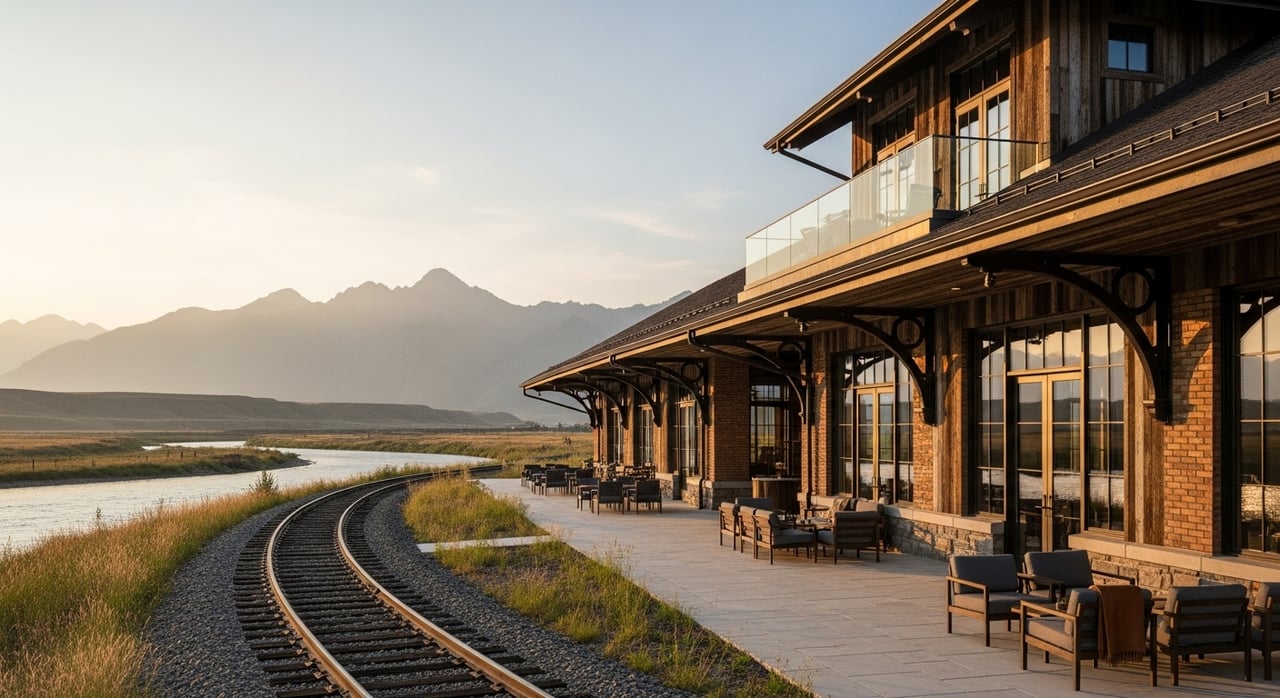
In this guide, you will learn how a purpose-built rail town became a year-round gateway to Yellowstone, why the arts and dining scene punch above its size, and what that means for buying, selling, or investing here. We will cover lifestyle, neighborhoods, seasonal rhythms, and a practical snapshot for luxury buyers and investors. Expect clear takeaways you can use right away.
From Rail Town to Regional Hub
Livingston began with a surveyor’s map and a bend in the Yellowstone River. In 1882 and 1883, Northern Pacific Railway planners laid out the town to serve as a division point with shops and crews. The railroad did more than move people. It set the template for downtown blocks, storefronts, and worker housing, which still shape the way the town feels today. Historic Montana documents the rapid rise of shops and depots that built the core of the city.
The signature landmark is the 1902 Northern Pacific passenger depot, an Italianate beauty credited to Reed and Stem. It welcomed generations of visitors on their way to Yellowstone until passenger service ended in 1979. Locals restored it, and it reopened as the Livingston Depot Center in 1987. Today the depot is a museum and event space, a living reminder that the town’s story began with arrivals and departures. You can read more at the Livingston Depot Center.
As rail travel waned, a new identity took hold. Livingston leaned into its role as a gateway to Yellowstone and as a base for fly fishing, river running, and mountain adventures. Artists, writers, and outfitters filled the storefronts where railroad suppliers once stood. Tourism and outdoor businesses grew, but the town also invested in year-round services. Livingston HealthCare became a major employer and built a modern facility, anchoring regional health needs and supporting full-time living for more residents. Learn about the hospital’s role at Livingston HealthCare.
What remains constant is the sense of arrival. Trains shaped that feeling. Today, the first glimpse of the depot, the river, and the mountains does the same.
The Yellowstone Gateway: Access and Seasons
Livingston sits at the north end of Paradise Valley on the Yellowstone River, about 54 miles from Gardiner and the park’s North Entrance. The drive is scenic and straightforward along U.S. 89. The North Entrance is the only gate open to wheeled vehicles all year, which gives Livingston special, all-season relevance for visitors coming from Bozeman and beyond. The National Park Service notes the year-round status of this gateway in its materials on Yellowstone’s entrances and places. See more at NPS.
For residents, gateway life has a rhythm. Summer brings long daylight, busy sidewalks, full restaurants, and more traffic on I‑90 and U.S. 89. During detours on the interstate, traffic can shift through town and briefly increase local load, according to the Montana Department of Transportation. In winter, the pace settles, yet the North Entrance remains open, which supports steady shoulder-season travel.
For second-home owners and investors, this pattern matters. Peak demand hits June through September, with a strong bump around holidays and events. That often means higher nightly rates for vacation rentals and solid retail activity, followed by calmer, local-forward months. It also means planning for snow management, guest logistics, and a trusted local manager if you will be away.
Main Street, Arts, and Community Culture
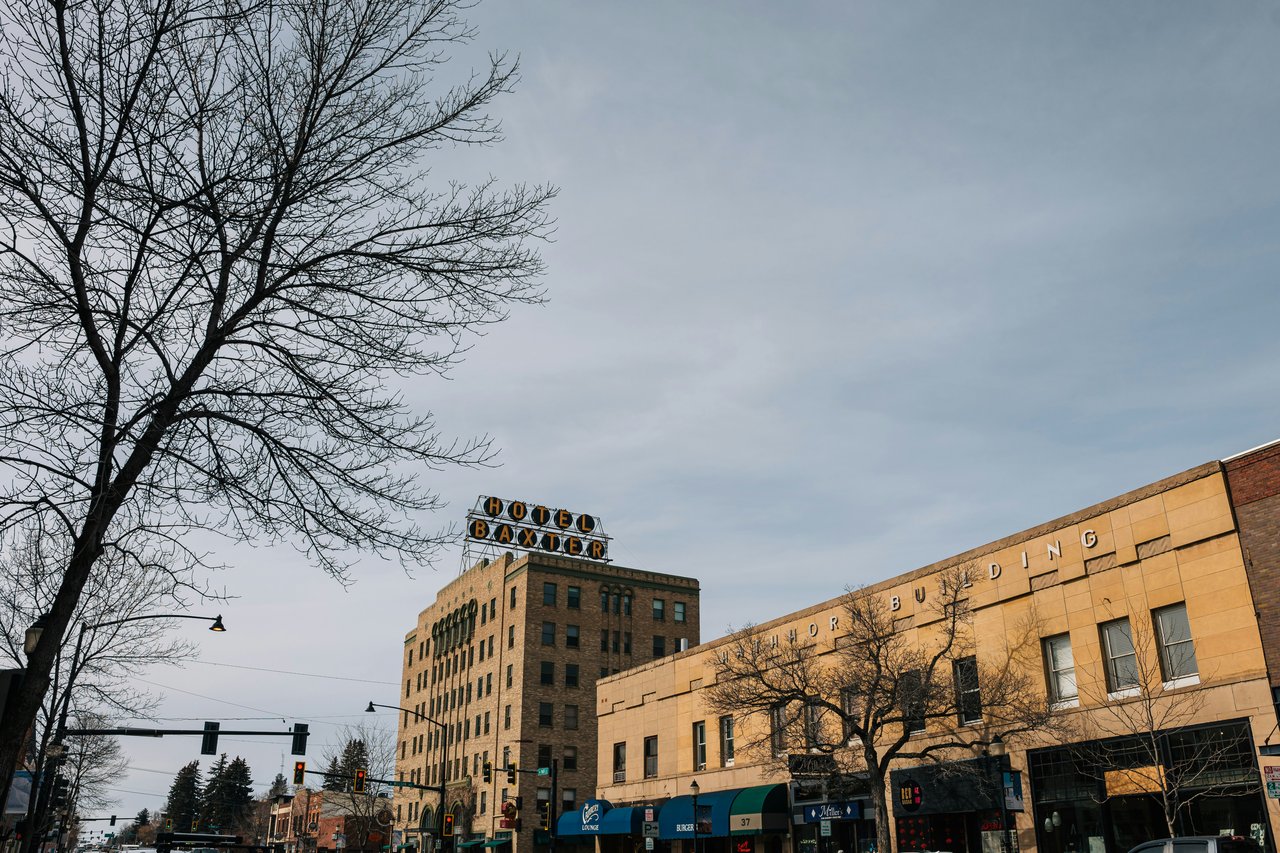
Start on Main Street and you see Livingston’s character at a glance. Historic brick storefronts hold galleries, cafes, fly shops, and boutiques. The Livingston Depot Center runs seasonal exhibits and year-round events that draw locals and visitors alike. Explore the museum’s programming at the Depot Museum.
The arts scene is visible. Galleries host openings. Live music pops up in intimate venues. Public art and festivals add color through the warm months. The Livingston Roundup, a PRCA rodeo tradition since 1924, brings a festive energy around Independence Day and underlines the town’s Western roots. The Chamber highlights its role in community life and visitation at the Livingston Chamber.
For lifestyle-minded buyers, this culture adds depth. Owning a historic home near Main Street means more than walkability. It carries provenance, a sense that your property is part of a larger story. For sellers, that story is a real value driver. For investors, strong cultural identity supports year-round appeal and repeat visitation.
Outdoor Lifestyle: River, Trails, and Year‑Round Recreation
The river is the heartbeat. The Yellowstone is a renowned freestone trout fishery, and Livingston serves as a base for guides and outfitters who work the river and nearby waters. An overview of the fishery’s reputation and seasonal patterns is summarized by regional outfitters and resources such as Montana Angling Co..
Weekends follow the seasons. In summer, locals float a mellow stretch, fish at first light, or head up Paradise Valley for a day hike. Shoulder seasons invite long bike rides and quiet trail time. Winter brings powder days at nearby ski areas within a day trip, crisp walks along the river, and cozy evenings downtown.
Climate matters for property decisions. Summers are warm and relatively dry, winters are cold with meaningful snowfall, and the town sits around 4,500 feet in elevation. Climate summaries report average July highs in the low to mid 80s Fahrenheit, about 16 inches of annual precipitation, and more than 50 inches of snow in many years. See climate station summaries at Climate Charts.
Living with wildlife is part of the experience. The U.S. 89 corridor has been identified as a hotspot for wildlife vehicle collisions, and regional partners are studying crossings and fencing to improve safety. For daily life, that means slower driving at dawn and dusk and an awareness that elk and deer share the road. Read more context in reporting on conservation and safety efforts at SFGATE.
Real Estate Snapshot: What Luxury Buyers and Investors Should Expect
High-end Livingston real estate blends history, scenery, and access. You will see several distinct property types, each with its own appeal and operating realities:
- Historic downtown homes with restored details. These offer walkability to dining, galleries, and the depot museum, along with strong provenance. They suit buyers who want an active, in-town lifestyle.
- Riverfront and river-adjacent properties along the Yellowstone and its corridor. Expect premium pricing tied to frontage, views, and privacy. Consider riparian setbacks, floodplain mapping, and permitting for docks or improvements.
- Mountain-view acreage in the surrounding hills and valleys. These parcels offer space, big-sky views, and quiet. Due diligence is key for wells, septic, road maintenance, and year-round access.
- New builds and luxury renovations that bring modern layouts and energy efficiency while honoring the town’s style.
- Development-ready land for small compounds, boutique lodging, or mixed residential concepts. Investors should review zoning, utility extensions, and market absorption.
Common buyer profiles include:
- A seasonal retreat seeker who wants easy airport access and a home base for Yellowstone and fly fishing.
- A remote professional or retiree who wants small-town pace with strong services. Livingston HealthCare and local schools help anchor that choice.
- An investor focused on short-term rental performance in peak season, balanced with owner stays during shoulder months.
- A builder or developer targeting infill Lots or design-forward small projects that fit the town’s character.
Key value drivers to watch:
- Location relative to downtown, the river, and U.S. 89 toward the park.
- Views and site orientation, including wind exposure that can vary across the valley.
- Lot size, privacy, and outbuilding potential.
- Historic character and quality of restoration.
- Rentability and guest logistics, including parking, noise buffers, and cleaning support.
- Travel convenience to Bozeman Yellowstone International Airport, usually a 30 to 40 minute drive, about 30 to 35 miles. See a distance overview at Travelmath.
Financial and operational notes:
- Insurance and maintenance planning should account for winter conditions, roof loads, and freeze protection.
- If you plan seasonal use, line up property management, snow removal, landscaping, and handyman support ahead of peak demand.
- For short-term rentals, review local rules, lodging taxes, and neighborhood standards. Set expectations for occupancy peaks in summer and steadier shoulder-season demand.
- If you pursue land, confirm utilities, well yield, septic feasibility, and access agreements. In rural pockets, private roads may require cost sharing.
A final context check: Livingston’s population has grown modestly in recent years, with U.S. Census estimates showing about 8,908 residents in mid 2023 and roughly 9,021 by mid 2024. That slow, steady growth supports long-term housing demand without losing small-town scale. See population details at U.S. Census QuickFacts.
Neighborhoods and Micro‑Markets: Where to Look
Downtown and the Historic Core. Walk to galleries, coffee, dining, and events. Think restored Craftsman homes, brick storefront lofts, and smaller lots with mature trees. Buyers who value energy and convenience thrive here. Sellers can amplify provenance and walkability in marketing.
River Corridor and View Properties. South toward Paradise Valley and across the river, you will find homes with water access, open views, and a stronger sense of retreat. These locations often command a premium for scenery and privacy. Due diligence should include floodplain review and riverbank stewardship.
Hillside and Rural Parcels. On the edges of town and into Park County, acreage parcels and modern mountain homes offer space, barns, and big-sky panoramas. Access and winter maintenance vary by road. This is ideal for buyers who want quiet and room to spread out.
Commuter‑friendly Spots. Proximity to I‑90 matters for owners who split time between Livingston and Bozeman or who fly often. Quick access to the interstate can trim travel time to BZN. The Montana DOT provides current traffic and detour updates.
Each micro-market rewards clarity about lifestyle. Do you want a morning coffee walk, or a sunset deck with no nearby rooflines? Do you prefer rental optionality, or maximum privacy? Start with how you will live, then let the property follow.
Practical Considerations for Buyers, Sellers, and Investors
Buyer due diligence. Confirm year-round access, wind exposure, and snow loads. Review utilities, well and septic reports, and the age and type of roofing, windows, and insulation. Ask about floodplain status near the river and fire-mitigation plans in rural areas.
Seller preparation. Premium results come from presentation. Stage thoughtfully, pair climate-smart upgrades with clear documentation, and tell the home’s story. Provenance, views, and access should be front and center in photos, video, and copy.
Short-term rental planning. Match your target guest profile to location and layout. Secure professional cleaning, snow removal, and responsive management. Set house rules that respect neighbors and align with local standards.
Local services. Build your team before you need it. Inspectors, surveyors, property managers, and contractors book fast in peak season. A local advisor can open doors and keep the process smooth.
How Amelia Real Estate Co. Helps
You deserve a guide who knows Livingston’s streets, seasons, and style. Amelia Real Estate Co. delivers a principal-led, concierge experience designed for luxury mountain clients.
- Dedicated advisory. Work directly with Amelia from first call to closing. We curate on-the-ground tours, arrange private showings, and support remote decisions with high-fidelity video and market briefs.
- Marketing craftsmanship. For sellers, we produce design-forward listings with professional photography, cinematic video, and custom microsites that showcase provenance, views, and access to the park.
- Cross-market reach. Many clients split time between Montana and Utah. Our licensing in both states and network across Bozeman, Big Sky, Park City, and Salt Lake City make multi-market moves seamless.
- Local knowledge. We tailor guidance on neighborhood fit, seasonal access, rental strategy, and vendor introductions, so your property works for how you live.
If you are exploring a move, a second home, or a sale, we will help you turn questions into a clear, confident plan.
Conclusion and Next Steps
Livingston blends rail-town heritage, year-round park access, and a rich outdoor and arts lifestyle that holds lasting value. Ready to explore options or craft a premium listing plan with a local boutique advisor at Amelia Real Estate Co.? Let’s Chat
FAQs
Q: How far is Livingston from Yellowstone’s North Entrance? A: About 54 miles to Gardiner via U.S. 89. Plan on roughly 50 to 60 minutes depending on conditions. See a route overview at the National Park Service’s pages on Yellowstone places and entrances at NPS.
Q: Is the airport convenient for second‑home owners? A: Yes. Bozeman Yellowstone International Airport is typically a 30 to 40 minute drive from Livingston. See a distance snapshot at Travelmath.
Q: What is the feel of downtown Livingston? A: Walkable and historic. Brick storefronts, galleries, cafes, fly shops, and the 1902 depot museum give it a welcoming, lived-in charm. Learn more at the Livingston Depot Center.
Q: How does seasonality affect ownership and rentals? A: Summer is the busiest period with strong visitor demand. Shoulder seasons bring steady but calmer traffic. Plan for winter services like snow removal and freeze protection, and secure reliable property management.
Q: Are there wildlife or road safety issues to consider? A: Yes. The U.S. 89 corridor has wildlife vehicle collision concerns. Drive carefully at dawn and dusk and stay current on safety updates. Read context in coverage of regional mitigation efforts at SFGATE.
Q: What growth or community services support full‑time living? A: Livingston has seen modest population growth in the 2020s and offers strong regional services, including a modern hospital. See population details at U.S. Census QuickFacts.