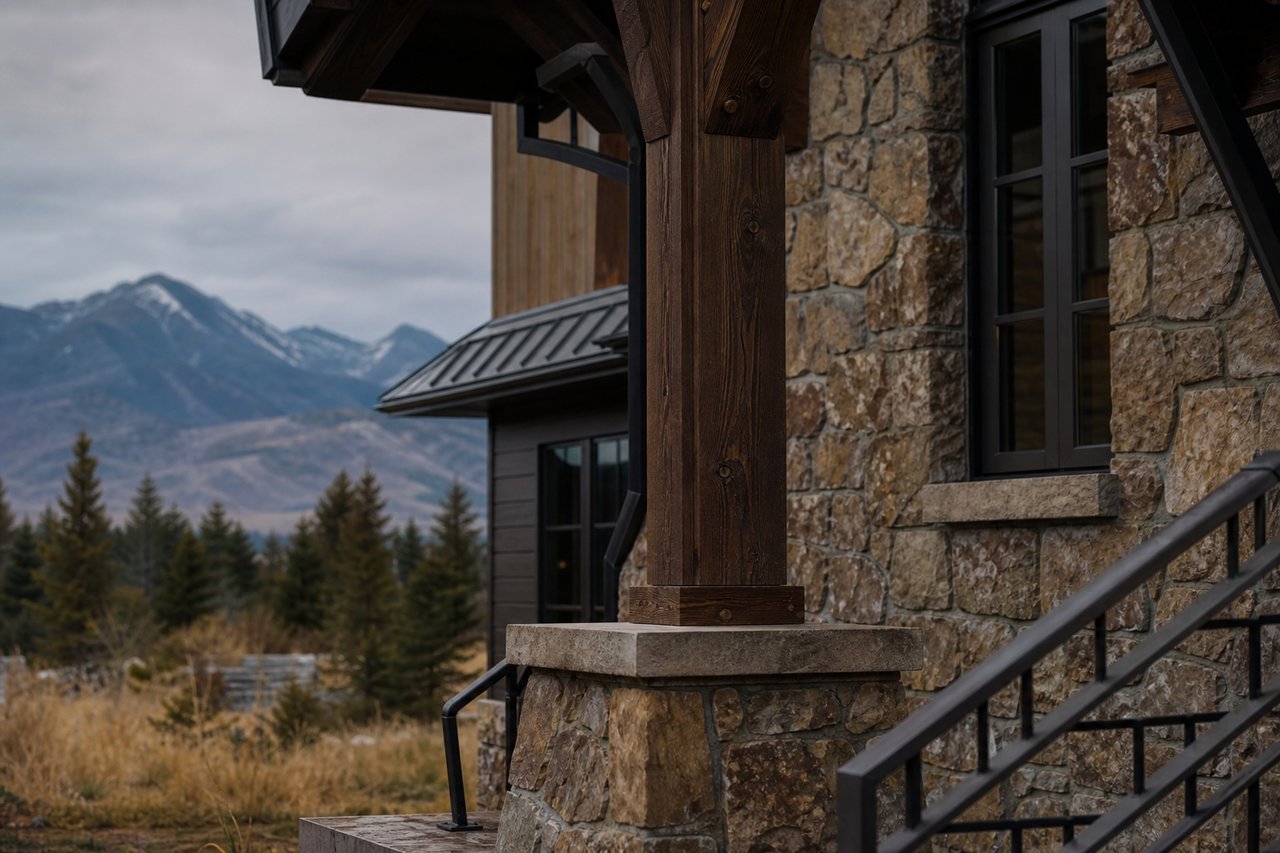
What does it actually take to sell a luxury home in Bozeman or Big Sky?
Selling a luxury home in Bozeman or Big Sky takes more than putting a property on the MLS and waiting. It requires a tailored campaign built around professional visual storytelling, targeted digital distribution, private broker relationships, and a pricing strategy that holds up when comparable sales are scarce. The process differs meaningfully between the two markets, and the approach that works in one won't automatically translate to the other.
Key Takeaways
- Gallatin County's median listing price reached $912,000 in August 2026, according to Realtor.com, luxury properties sit well above that threshold and require a distinct marketing approach.
- Bozeman homes sold for an average of 6.56% below asking price in September 2026, making precise initial pricing critical to protecting a seller's net proceeds.
- Big Sky properties averaged 78 days to pending as of August 2026, meaning sellers should plan for a longer campaign and time it around buyer activity patterns.
- Bozeman and Big Sky attract different buyer audiences, a campaign built for one market won't automatically reach the right buyers in the other.
- Private pre-market exposure through broker networks can protect a seller's privacy, but used too narrowly it limits discoverability among serious buyers who aren't already connected to a local agent.
How are Bozeman and Big Sky luxury markets different from each other?
They are genuinely different markets, and I treat them that way. Conflating them is one of the most common mistakes I see in luxury marketing here.
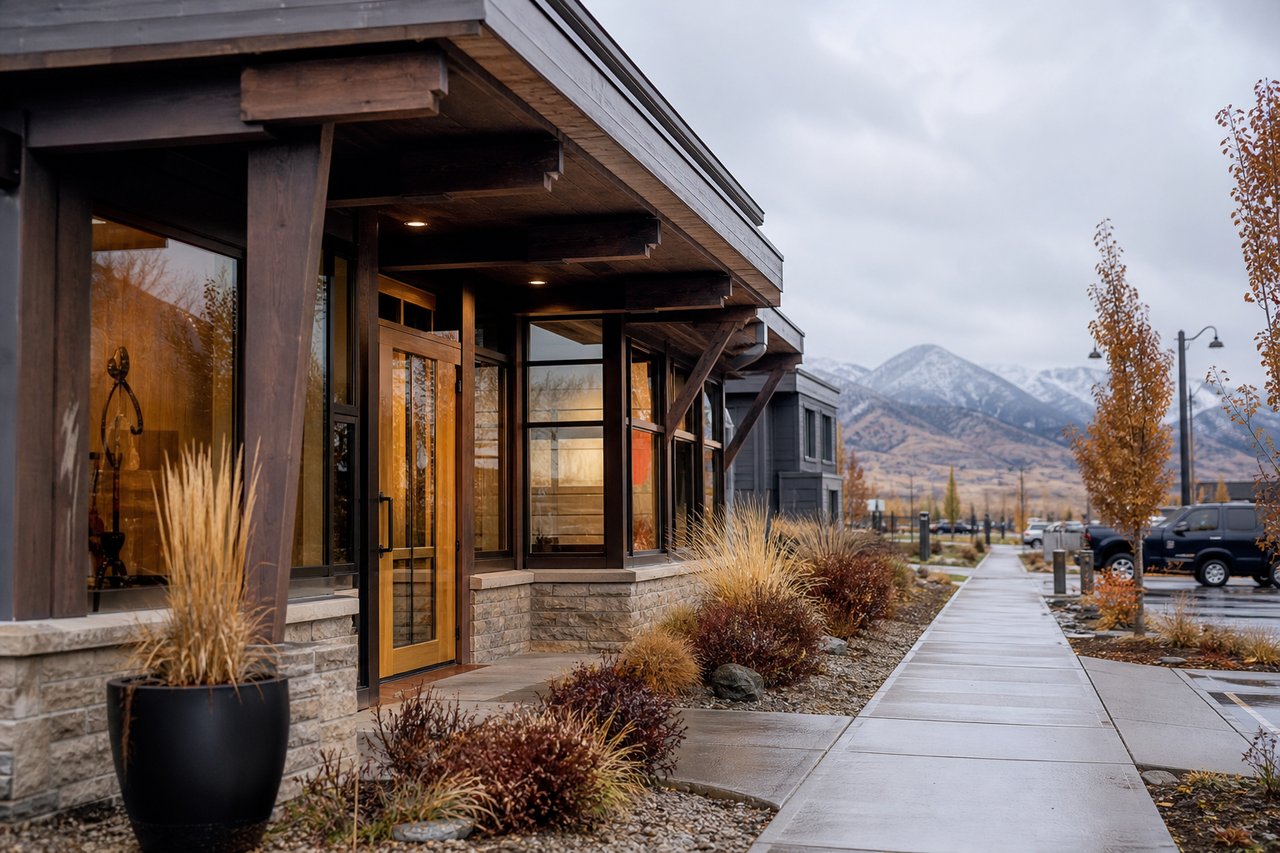
Bozeman is a year-round city with a real economic foundation. Montana State University, a growing hospital system, a tech and outdoor-industry employment base, and an airport adding direct flights year over year all drive demand. Luxury buyers here include executives, entrepreneurs, relocating professionals, and move-up buyers who already know the area. Properties range from architecturally significant downtown homes to estate lots in Bozeman's core neighborhoods like Black Bull and Bridger Canyon, to acreage on the valley's edge.
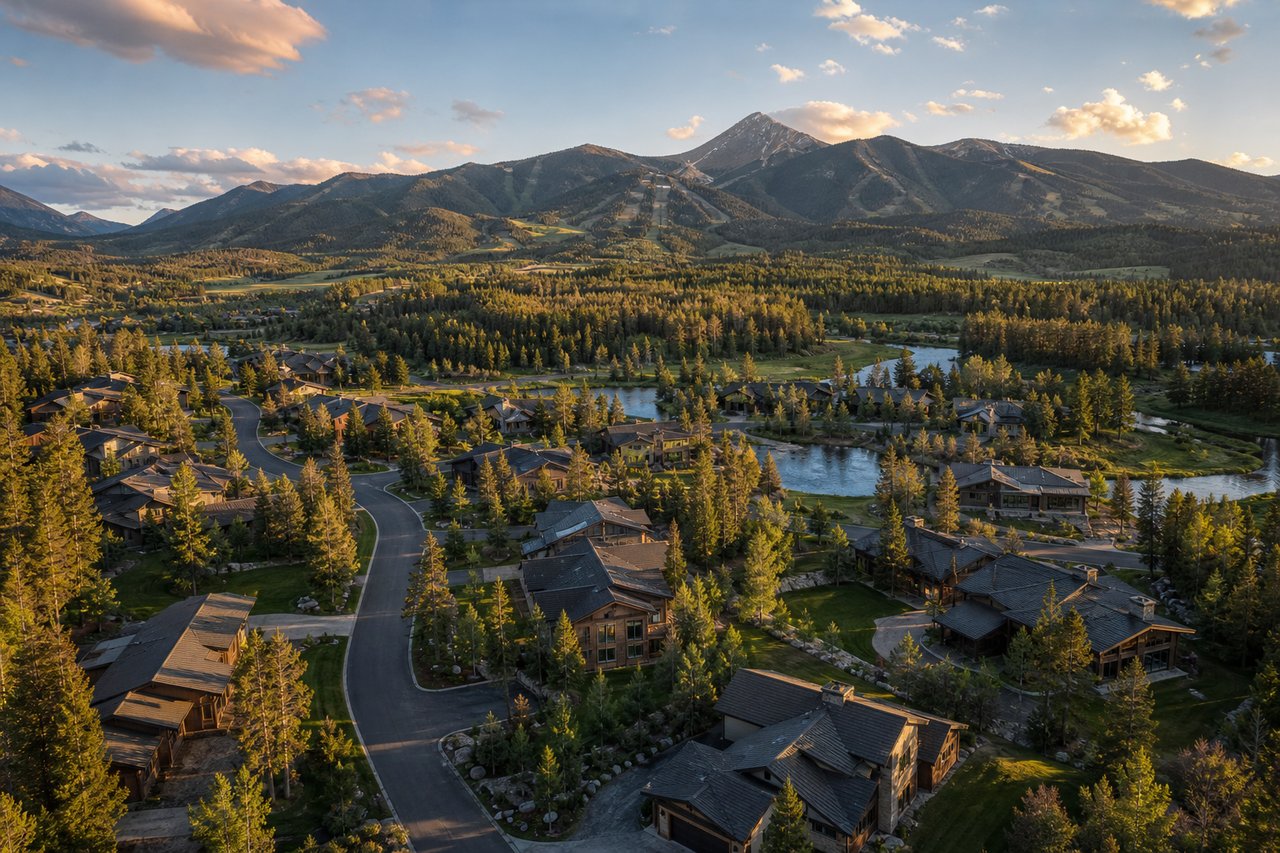
Big Sky is a resort market. The buyer pool skews toward second-home purchasers, seasonal residents, ski-oriented households, and investors drawn to club access, proximity to Yellowstone National Park, and properties at Spanish Peaks Mountain Club or Moonlight Basin. According to Zillow's August 2026 data, Big Sky had 127 properties for sale with a 78-day median time to pending, a longer runway than Bozeman, which reflects the narrower, more specific buyer pool a Big Sky seller is reaching.
The marketing language, the channels, the networks, and the timing all shift depending on which market you're in. A Big Sky campaign that doesn't speak to ski access, club membership, or Yellowstone proximity is leaving the most compelling selling points on the table.
How does timing factor into a Big Sky listing?
Big Sky buyer attention moves with the seasons. Ski season draws one wave of visitors; summer recreation and second-home travel draw another. That doesn't mean there's a single "right" launch window, it means launch timing should be a deliberate decision based on your property's target buyer, what else is competing for attention at that moment, and how showing logistics work in different weather and access conditions. I work through that analysis with every Big Sky seller before we set a date.
What does a strong luxury marketing campaign actually include?
This is where the real work happens. A high-value property deserves a campaign built from the ground up, not a standard listing with better photos.
Is professional photography and video worth it for a high-end Montana home?
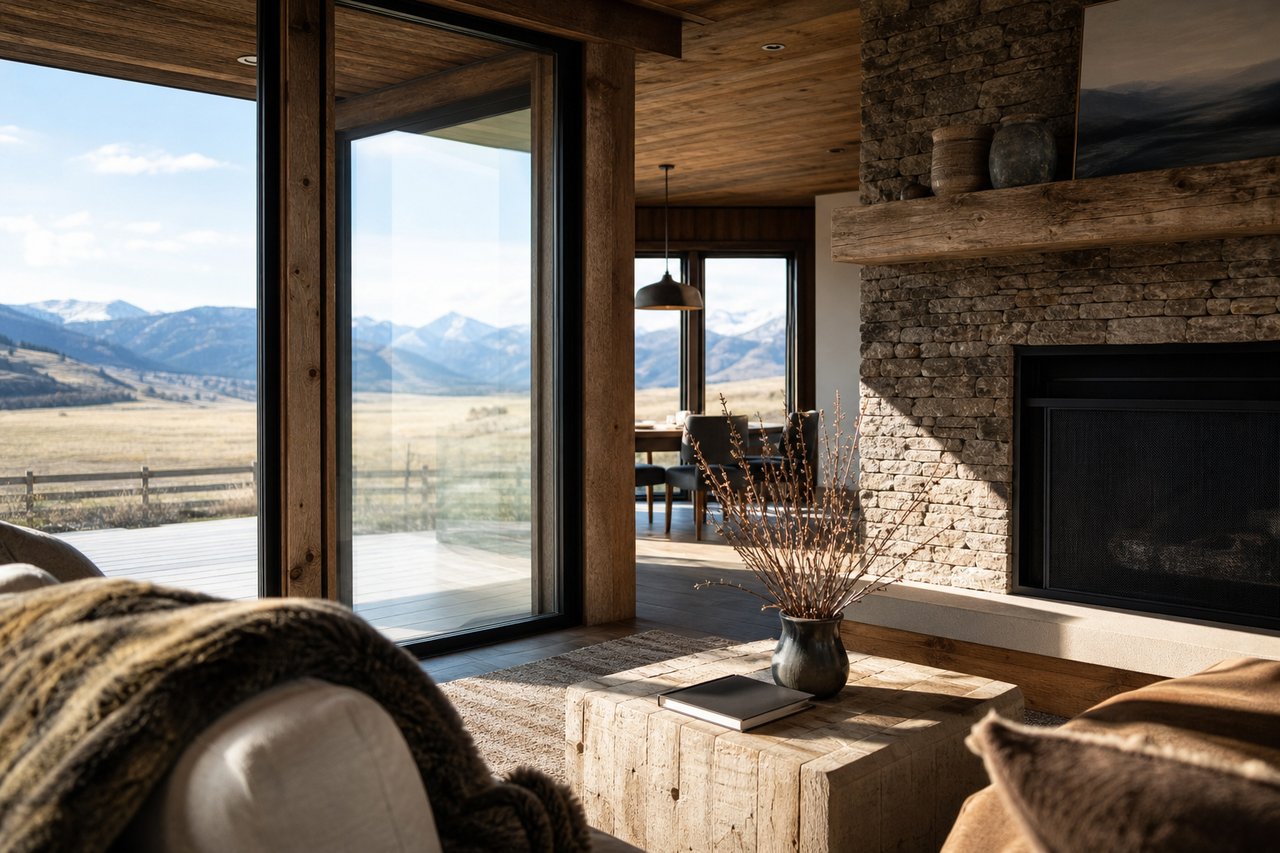
Yes, without question. For a luxury property, professional architectural photography and video aren't optional line items, they're the foundation of every other marketing asset. A buyer considering a $2M+ home in Big Sky may be making their first visit from out of state or internationally. The visual content you put in front of them is doing the work of a showing before they ever board a plane.
For properties where it's permitted, aerial imagery adds context that ground-level photography can't, acreage, mountain views, proximity to ski access or trail systems. A property-specific website or landing page gives serious buyers a single destination with full-resolution content, floor plans, and video. Social media distribution extends reach, but the assets have to be adapted for each channel rather than copied unchanged.
Beyond the visual content, a luxury listing should tell a complete story. Bedroom and bathroom counts are baseline. The differentiators that move a qualified buyer are things like ski-in/ski-out access, architectural authorship, construction quality, energy systems, outdoor entertaining areas, garage capacity, and whether the home works for seasonal or year-round use. I spend real time on that narrative before anything goes live.
Which digital platforms actually reach qualified luxury buyers?
The honest answer is that no single platform does it alone. A well-built campaign combines search-optimized listing content, brokerage network syndication, targeted social distribution, email marketing to qualified buyer lists, and exposure through luxury-specific portals. My affiliation with REAL Luxury as Northwest Regional Director and my membership in the REALM Global Collective give my listings access to networks that most local agents can't reach, networks specifically built around high-net-worth buyers and the agents who represent them.
For Big Sky properties with international appeal, those networks matter more than any single portal. A buyer coming from a major European or Asian market is almost certainly represented by an agent who works within a luxury referral network, not browsing Zillow independently.
How do private broker networks factor in?
Private pre-market exposure is a real tool, and it's one I use selectively. For sellers who value discretion, estate situations, high-profile owners, properties where a public price reduction would be damaging, a quiet outreach to qualified agents and buyers before a public launch can make sense. I've been quoted in Leading Estates of the World on exactly this dynamic in Big Sky's luxury market.
But I'm honest with my clients about the tradeoff. Private exposure used too narrowly means you're only reaching buyers who are already connected to a specific network. A public listing with strong marketing reaches the buyer who doesn't know they want your property yet. Most of the time, the right strategy is a sequenced approach: targeted pre-market outreach to qualified agents, followed by a full public launch with complete marketing assets in place.
How should you price a luxury home when comparable sales are limited?
Pricing is the decision that determines everything else. According to Realtor.com's September 2026 data, Bozeman homes sold for an average of 6.56% below asking price, and that's across all price points. At the luxury tier, where buyers are more sophisticated and the pool is smaller, overpricing doesn't just slow the sale. It signals to the market that the seller is unrealistic, and that perception is hard to reverse.
Luxury pricing in a thin-comp environment requires a different methodology than a standard CMA. I look at price per square foot within the relevant tier, absorption rates for comparable properties, the premium or discount the market has historically applied to specific features (ski access, club membership, acreage, views), and what's actively competing for the same buyer right now. The Gallatin County median listing price reached $912,000 in August 2026, luxury properties sit well above that, in territory where every pricing decision has to be justified by real market evidence, not optimism.
If you want to understand what your specific property would support in today's market, that's a conversation worth having before you commit to a number. I walk every seller through a detailed pricing analysis before anything gets listed.
Market | Median Days on Market | Median Listing Price | Data Period |
|---|---|---|---|
Bozeman | 61 days | Not reported separately | September 2026 (Realtor.com) |
Gallatin County | 53 days | $912,000 | August 2026 (Realtor.com) |
Big Sky | 78 days to pending | Not reported separately | August 2026 (Zillow) |
Source: Realtor.com Gallatin County market data, Realtor.com Bozeman market data, and Big Sky market data. Portal figures are supplemental context; luxury-segment performance varies from county-wide medians.
If you're thinking about selling a luxury property and want to understand what a full campaign looks like in practice, I'd be glad to walk you through it. Reach out at [email protected] or call/text me at 406-599-7711. You can also search current listings on my site to see how properties are being presented in this market right now.
If you want to see what other buyers and sellers say about working with me, you can read my reviews on Google and Zillow.
FAQ
How do you market a luxury home in Bozeman differently from one in Big Sky?
Bozeman luxury marketing targets year-round residents, relocating professionals, and move-up buyers, so the campaign emphasizes community, employment access, outdoor recreation, and architectural quality. Big Sky marketing reaches second-home buyers, ski households, and resort-oriented investors, so the emphasis shifts to ski access, club amenities, proximity to Yellowstone, and seasonal lifestyle. The channels, networks, and timing all differ between the two markets.
How long does it typically take to sell a luxury home in Bozeman or Big Sky?
Based on the most recent available data, Bozeman homes averaged 61 days on market in September 2026, while Big Sky properties averaged 78 days to pending as of August 2026. Luxury properties at the higher end of either market often take longer than county-wide medians suggest, because the qualified buyer pool is smaller and decisions involve more due diligence. Precise pricing and a well-timed launch are the two factors that most directly affect how long a property sits.
Can a seller market a luxury home privately without losing exposure to serious buyers?
A private pre-market strategy can work well for sellers who need discretion, but it carries a real tradeoff: you're only reaching buyers already connected to the networks you're working through. The most effective approach is usually a sequenced one, targeted outreach to qualified agents and buyers before launch, followed by a full public campaign with complete marketing assets. Using only one or the other limits either privacy or discoverability.
What makes a Big Sky property attractive to out-of-state and international buyers?
Ski access at one of North America's largest ski resorts, proximity to Yellowstone National Park, private club amenities at Spanish Peaks Mountain Club and Moonlight Basin, and Montana's lack of a state income tax are all meaningful draws for out-of-state and international buyers. The combination of world-class outdoor recreation with relative privacy and land availability is difficult to replicate in most other resort markets, which is part of what has driven sustained demand in Big Sky's luxury segment.
How should a seller price a luxury home when there are few comparable sales?
Thin comps require a pricing methodology that goes beyond a standard CMA. I analyze price per square foot within the relevant tier, absorption rates for comparable properties, the market premium for specific features like ski access or acreage, and what's actively competing for the same buyer at the moment of launch. Overpricing in a low-inventory luxury market doesn't create a negotiating cushion, it signals unrealistic expectations to sophisticated buyers and extends days on market, which compounds the problem.
Equal Housing Opportunity. Amelia Turbyfill, Montana License #RRE-RBS-LIC-62171, regulated by the Montana Board of Realty Regulation. This article is general information only and does not constitute legal, tax, or financial advice. Broker fees and commissions are fully negotiable and not set by law. Confirm your own figures with your closing agent, tax advisor, or lender.