Is “ski-in/ski-out” as simple as stepping into your bindings and gliding to a lift? Sometimes. In Deer Valley, the phrase can mean anything from true on-snow access to a short walk across a plaza. If you’re shopping for a slope-side home or condo, you want to know exactly what you’re getting. In this guide, you’ll learn the real meanings behind the marketing, how Deer Valley’s operations shape access, the legal and financial checks that matter, and how to verify a property before you buy. Let’s dive in.
What ski-in/ski-out really means
“Ski-in/ski-out” is a marketing term, not a legal designation. In practice, it means you can travel on skis between a property and skiable terrain without needing a car or shuttle.
Common terms you’ll see
- Ski-out, ski-down, or ski-to-door: You can leave the property on skis and reach a run or lift.
- Ski-in: You can return on skis, though a short walk or flat traverse may be involved.
- Ski-access or ski-adjacent: Close to the slopes, but you might need to cross a road or walk.
- Ski-to-lobby or ski-to-base: Often used for hotels and condos at base areas.
The important distinction: marketing language does not guarantee a deeded right to cross resort or private land. Access can depend on recorded documents, HOA rules, and resort agreements.
How it works in Deer Valley
Deer Valley is known for luxury service and meticulous grooming. Those operations shape when and how you can ski to and from a property.
Neighborhood context to know
- Base-area villages: Properties around Snow Park and Silver Lake sit by lifts and village plazas. Many offer immediate on-snow routes or quick skis to the lift area.
- Mountain communities: Empire Pass, Deer Crest, and parts of Mayflower include luxury homes and condos marketed with ski access. The reality can vary with micro-topography and exact lot placement.
- On-resort hotels and condos: Some developments advertise ski-to-lobby service that routes you to a plaza or run.
- Separate resorts nearby: Park City also includes Park City Mountain and Canyons Village, which are distinct from Deer Valley. Confirm which resort a property ties into before you compare access.
Operations and seasonality
- Grooming and hours: Deer Valley’s lift hours, grooming plans, and snowmaking determine when a route is skiable. Early or late season, you may need to walk sections.
- Skier-only policy: Deer Valley does not allow snowboarding. If your group includes snowboarders, factor this into your access and logistics.
- After-hours rules: Many routes cross resort lands with defined hours. Night skiing across closed terrain is typically not permitted.
- Base logistics: Parking, drop-offs, and guest staging at villages can be limited. Even with ski access, plan arrival and departure convenience.
Safety and emergency access
- Avalanche mitigation: The resort conducts mitigation, but private lots near gullies or the edge of controlled terrain can still have exposure. Ask for any available hazard assessments.
- Emergency services: Understand how responders reach the property in winter and whether ski routes are viable for evacuations.
Legal and title checks that matter
Because “ski-in/ski-out” is not a legal term, verify the rights that support it.
Documents to confirm
- Deeded easements and rights-of-way: Look for recorded easements that allow skiing across neighboring or resort property. An implied right is fragile.
- Licenses or permits: Some HOAs have license agreements with the resort or allow skiing across common areas. Check whether rights are revocable.
- HOA CC&Rs and rules: Review on-site skier routes, hours, guest rules, and where equipment can be stored.
- Resort agreements: If access uses groomed runs, lift corridors, or service roads, confirm any written resort understanding. Trails and lifts can change.
- Title report: Have closing counsel review exceptions, restrictions, and recorded agreements that affect access.
Due diligence checklist
Use this quick path to verify a property’s true ski access:
- Ask for proof: recorded easements, HOA plats, surveys showing ski trails, and any resort agreements.
- Map the route: trace from door to lift or groomed run and note any private or resort crossings.
- Confirm seasonality: ask about grooming frequency, typical season dates, and snowmaking on the corridor.
- Check hours and rules: verify resort and HOA restrictions for night access and during mitigation.
- Clarify liability: determine who is liable on access easements and discuss with your insurer.
- Assess safety: request any available avalanche or terrain hazard information.
- Walk it off-season: test the route in low-snow conditions to gauge how often walking is required.
- Review rental policies: confirm municipal short-term rental rules and HOA restrictions.
- Talk to neighbors/HOA: ask how access has worked in past seasons and whether changes are planned.
- Get comps and appraisal: use a local appraiser familiar with Deer Valley to value ski access explicitly.
Value, rentals, and ownership costs
Ski-in/ski-out often commands a premium, but the size of that premium depends on specifics.
Price and valuation
- Proximity and quality: Closer-to-lift homes and condos with clear, documented access often price higher than similar properties without it.
- Product type matters: Base-area condos and private mountain estates trade in different segments. Use comps matched to location, size, finish level, and rental capability.
- Appraisal: Ask for valuation that specifically addresses ski access and documentation.
Rentals and regulations
- Income potential: True ski-in/ski-out often drives stronger short-term demand, but rules vary.
- Restrictions: Park City’s short-term rental regulations, HOA CC&Rs, and resort policies can limit rentals or set minimum stays.
- Management costs: Full-service properties near the slopes may carry higher management and marketing fees.
Maintenance and insurance
- Snow management: Ski access can reduce driveway needs but add wear to entries, mudrooms, and exterior finishes.
- Building systems: Ensure the home is designed for heavy winter loads. Roofs, insulation, gutters, and heat systems should be evaluated, especially in older properties.
- Insurance: Premiums can rise with visitor traffic or terrain exposure. If there is any avalanche risk, some coverages may require mitigation or exclusions.
Buyer tips for Deer Valley
- Verify what “ski-in/ski-out” means for the exact home, not the neighborhood in general.
- Prioritize recorded rights over verbal descriptions. Documented access supports both enjoyment and resale.
- Test the route in different conditions and confirm grooming and snowmaking.
- Align your plan for rentals with municipal and HOA rules before you close.
Seller tips to strengthen your listing
Document the access
- Gather recorded easements, HOA plats, maps of skier routes, and any resort agreements.
- Summarize seasonality, grooming details, and typical access hours.
- Disclose any changes planned by the HOA or resort that could affect access.
Market the experience accurately
- Show the route: include winter photography or video that traces the door-to-lift path.
- Clarify the nuance: if there is a short walk or flat traverse, say so. Buyers respond to clarity.
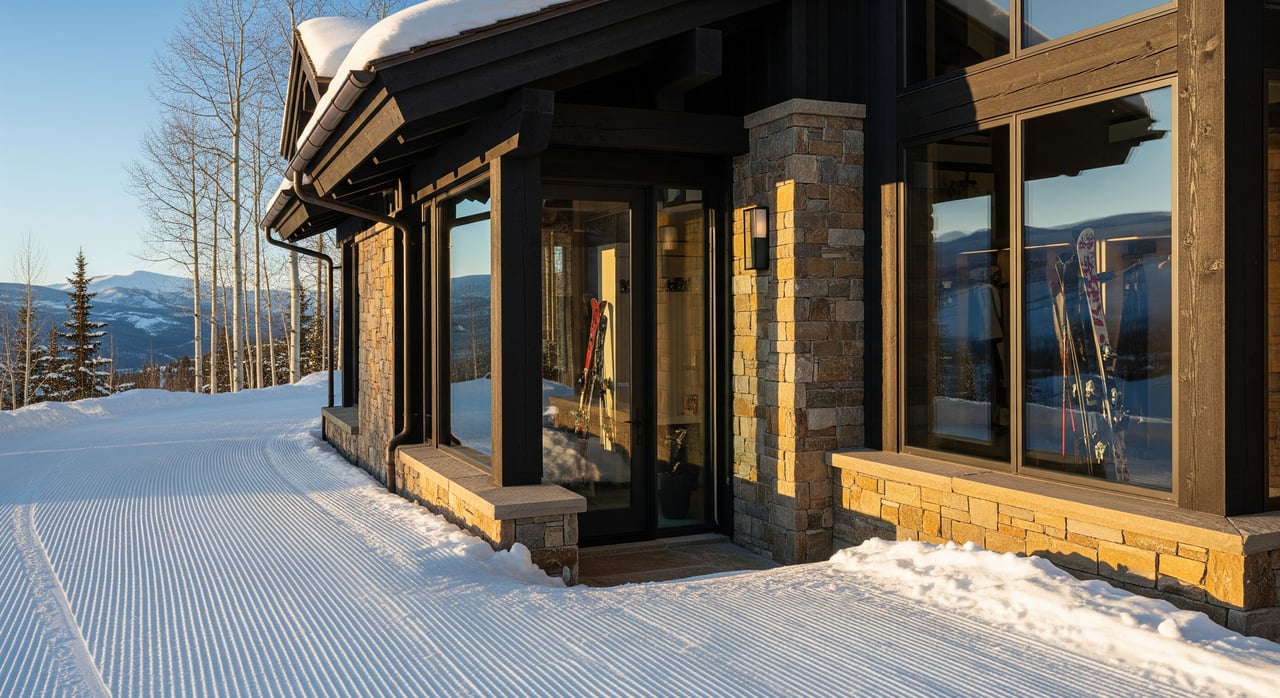
- Highlight practical features: ski rooms, gear storage, and heated entries resonate with Deer Valley buyers.
Next steps
If you want the ease of clicking into your skis at home, focus on access you can prove, not just language in a listing. The right advisor will help you map routes, review documents, and price value with confidence. To talk through specific Deer Valley neighborhoods and see what’s truly skiable this season, connect with Amelia Real Estate Co.. Let’s make your slope-side plan simple and secure.
FAQs
What does “ski-in/ski-out” mean for a Deer Valley home?
- It means you can travel on skis between the property and skiable terrain without a car or shuttle, though the exact route and legality depend on recorded rights, HOA rules, and resort operations.
Is ski-in/ski-out guaranteed all season in Deer Valley?
- No. Access depends on snow, grooming, snowmaking, and resort or HOA rules. Early and late season can require walking sections.
How do I confirm legal ski access to a property?
- Ask for recorded easements, HOA documents, plats, surveys, and any resort agreements. Have your title team review all exceptions and rights-of-way.
Does Deer Valley allow snowboarding to access a ski-in property?
- No. Deer Valley is a skier-only resort. If your party includes snowboarders, plan logistics accordingly.
Will ski-in/ski-out increase my property’s value?
- Often, yes. Documented, convenient access typically commands a premium, but size of the premium varies by location, quality, and rental potential.
Can I rent out a Deer Valley ski-in/ski-out home short term?
- Possibly, but it depends on Park City’s short-term rental regulations, your HOA’s policies, and any resort rules. Verify before you buy.