Choosing between Spanish Peaks and the Yellowstone Club in Big Sky is not just about picking a ski address. It is about choosing an access model, a membership culture, and a resale path that fits your portfolio. If you want privacy, year-round amenities, and long-term value, the details behind each club’s rules and programming matter. In this snapshot, you will learn how the two clubs differ on access, amenities, liquidity, and due diligence so you can make a confident move. Let’s dive in.
Big Sky context at a glance
Big Sky sits in Gallatin County in southwest Montana and has drawn strong second-home demand for more than a decade. Inventory at the ultra-luxury level is limited, and many sales close in cash. Because pricing and activity can shift quickly, you should review current data through Big Sky MLS and local broker reports before you bid.
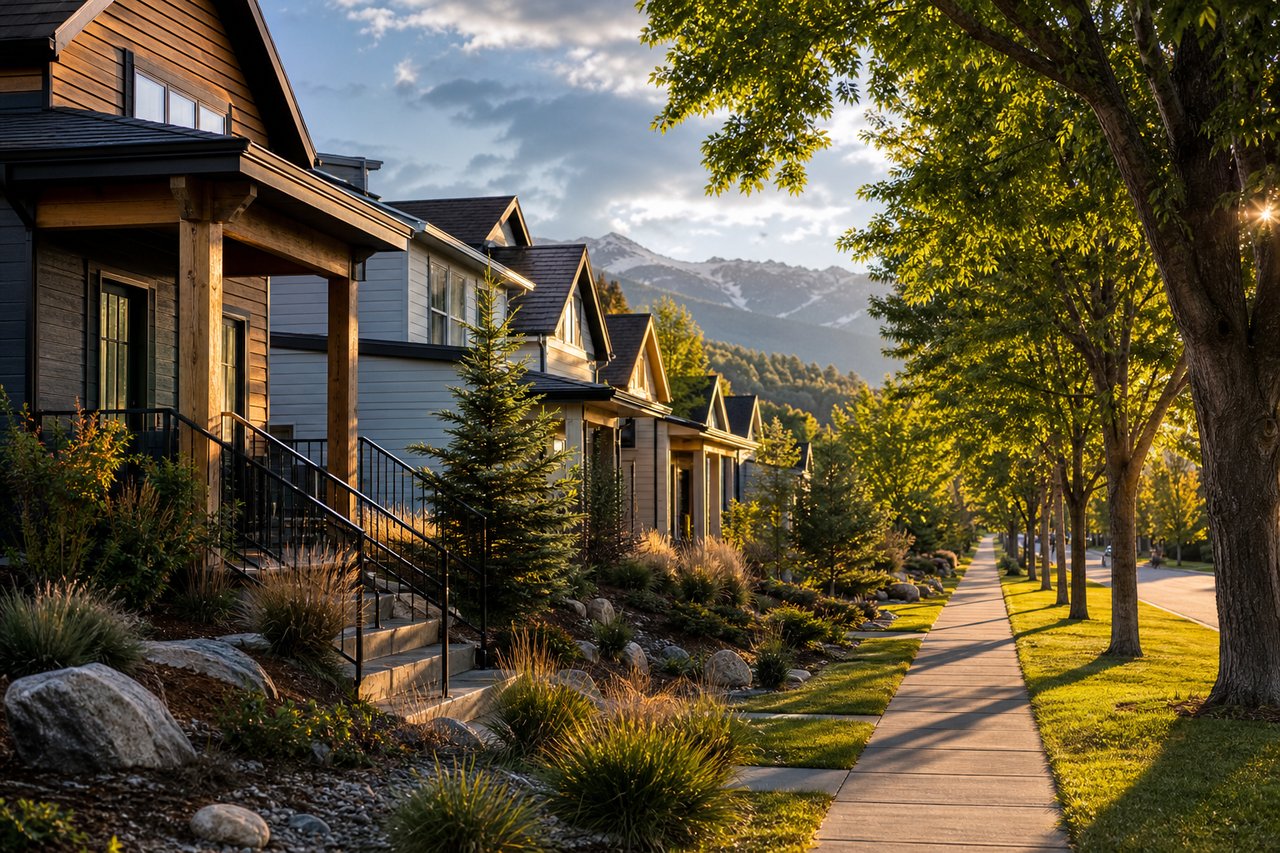
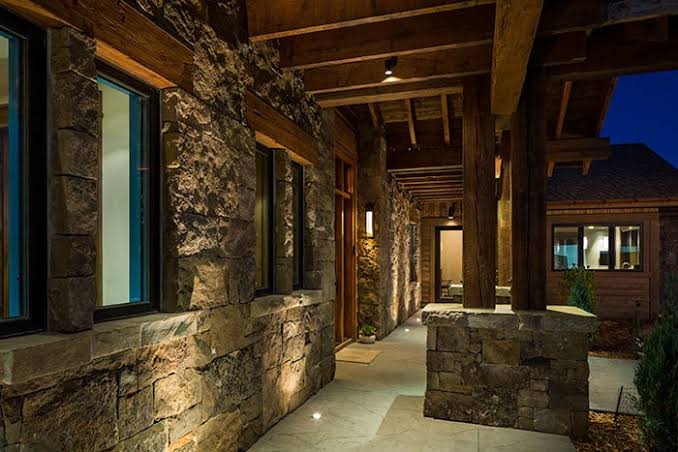
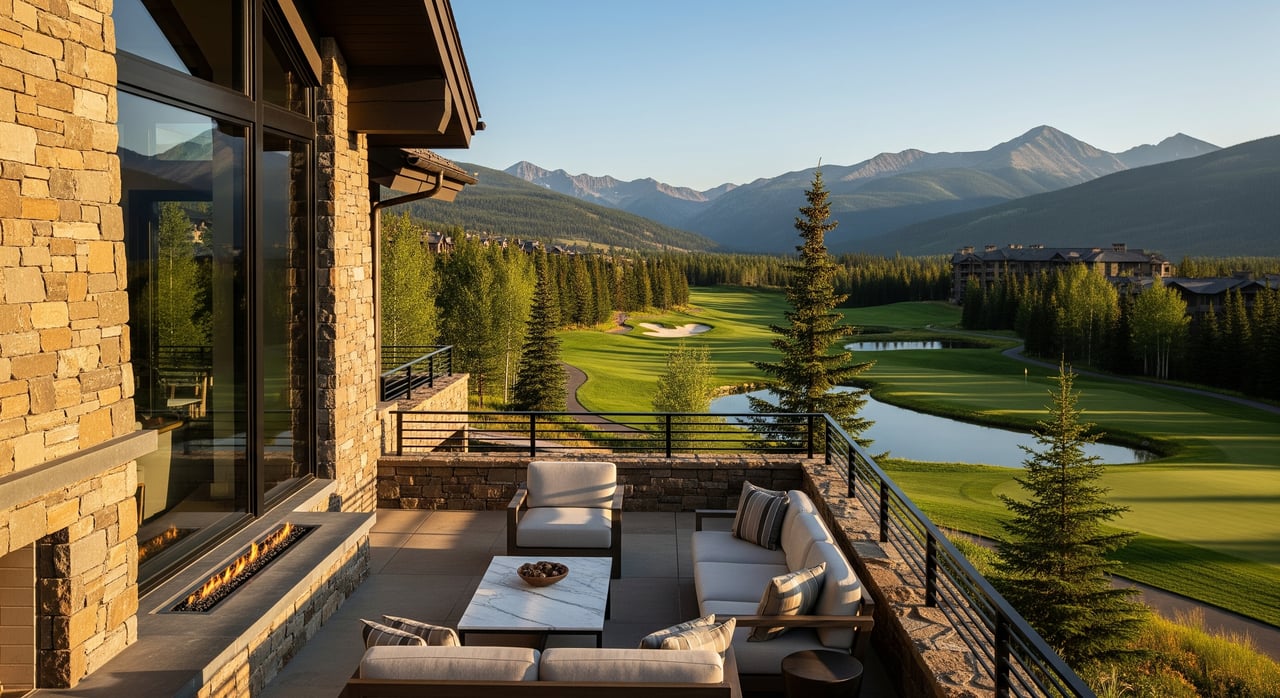
Both Spanish Peaks and the Yellowstone Club hold premium mountain parcels within the broader Big Sky resort area. Expect ski-oriented infrastructure and a mix of lifestyle amenities shaped by each club’s membership rules and culture.
Access and ownership models
The key investment difference between these clubs is how amenity access and membership interact with real estate ownership. Your exit strategy, buyer pool, and carrying costs are tied to those details.
Yellowstone Club overview
The Yellowstone Club operates as a private residential ski club that centers access on membership. Membership typically governs use of core amenities such as lifts, on-site dining, and club programs. Approvals, transfer fees, and caps can apply based on club rules.
What that means for you: a residence inside the Yellowstone Club often requires navigating membership approvals and fee structures at purchase and resale. This can add friction and narrows your buyer pool to those who want and can qualify for membership.
Spanish Peaks overview
Spanish Peaks is also a private mountain club with on-mountain access, residential neighborhoods, and a lifestyle focus that highlights family programming. Like YC, Spanish Peaks structures access through a membership with initiation and annual dues, and owner use of certain amenities generally requires membership or affiliation per governing documents.
What that means for you: liquidity is still tied to membership rules, but differences in club scale, pricing, and transfer mechanics can shift the pool of eligible buyers. You should verify the current membership policies before you underwrite a deal.
Key questions to confirm
- Does the property automatically convey club membership, or must you purchase separately?
- Does the club approve buyers and transfers, and if so, on what timeline?
- What are the initiation, transfer, and annual dues, and who pays them at resale?
- What are guest and temporary access rules for non-members?
Amenities and programming that drive value
Amenities influence who will buy, how often they will use the home, and, where permitted, what rental demand looks like. Both clubs offer versions of the following categories, but the scale and member experience can differ.
Scale and exclusivity
The Yellowstone Club is historically positioned around maximum privacy and a small member cohort. Spanish Peaks positions around a private, family-forward lifestyle. The perceived exclusivity and size of the membership can influence both demand and your eventual resale audience.
Year-round vs winter balance
Both communities target year-round living with winter skiing and summer activities like golf and trails. The balance of programming across seasons can affect off-season use and any rental potential where allowed. Confirm the current calendar of events and services if year-round engagement matters to you.
On-site services and support
Look for concierge offerings, private events, ski valets, childcare options, spa and fitness, dining, and property management or rental support. Also confirm whether extra fees apply for specific programs or services. The richer the services, the more compelling the lifestyle for families and long-stay owners.
Liquidity and resale dynamics
Luxury club properties behave differently than standard resort real estate. Membership rules and fees shape your exit path.
Buyer pool realities
High price points and membership requirements narrow the audience to affluent buyers comfortable with private-club ownership. Homes that convey full membership rights tend to attract a more motivated club-focused buyer.
Listing channels and process
Expect a mix of MLS, private networks, and off-market placements. If the club reserves approval rights, plan for added time and uncertainty. Transfer or initiation fees can influence negotiations and net proceeds.
What helps or hurts liquidity
- Limited inventory can support price stability for standout homes.
- Transfer costs and dues reduce net and may deter price-sensitive prospects.
- Financing options are narrower. Many buyers close with cash or specialty lenders.
- Rental restrictions limit yield-minded investors and can shrink the buyer base.
Costs and carrying costs to plan for
Your pro forma should include the full cost stack. Request current fee schedules and sample owner budgets before making assumptions.
- Initiation or buy-in fees for club membership
- Transfer fees or resale levies
- Annual membership dues and operating assessments
- HOA dues for neighborhoods or gated enclaves
- Special assessments for capital projects and infrastructure
- Property taxes based on Gallatin County assessments
- Insurance, utilities, and mountain-specific risk mitigation such as wildfire and avalanche management
Tax, financing and legal basics
Every portfolio buyer should underwrite tax and legal exposure alongside lifestyle value.
- Financing: Some lenders finance luxury second homes, but underwriting can hinge on club rules and rental policies. Cash is common in this niche.
- Taxes: Confirm current assessments and mill levies with Gallatin County. If you plan to rent, track Montana income tax and local lodging tax requirements, along with federal implications.
- Legal: Review CC&Rs, club membership agreements and bylaws, transfer rules, easements, and any operating agreements if fractional or other structures exist.
Risks to underwrite
- Membership constraints: Approval processes, caps, or transfer fees that limit marketability
- Club financial health: Reserves, capital plans for lifts and infrastructure, and any recent special assessments or litigation
- Insurance and mitigation: Wildfire exposure, snow load, avalanche mitigation responsibilities and cost sharing
- Rental restrictions: Policies that limit short-term leasing and dampen yield
- Environmental and regulatory: Easements or conservation restrictions that limit development
- History and encumbrances: Any past legal or bankruptcy issues within the club or nearby developments
Which buyer fits where
While both clubs serve high-end owners, the ideal profiles can diverge.
- Yellowstone Club fit: Ultra-high-net-worth buyers who prioritize privacy, private on-site ski access, and a small member cohort. Holding periods tend to be longer, and cash purchases are common.
- Spanish Peaks fit: Affluent buyers seeking private-club amenities with a strong family and community orientation. Still luxury, but programming preferences and scale may appeal to a broader lifestyle focus.
Your objective drives the choice. If your priority is maximum exclusivity, you may lean toward the Yellowstone Club. If your family values and year-round programming take the lead, Spanish Peaks can be compelling.
How to evaluate a property
Your diligence should pair club-level review with standard property checks. Ask for documents early and model both carry and exit.
- Membership documents: Current membership agreement, bylaws, fee schedule, transfer rules, and buyer approval processes
- Community documents: CC&Rs, HOA budgets, reserve studies, and any special assessments
- Market data: Recent closed sales and actives from Big Sky MLS and luxury broker reports
- County records: Deeds, tax assessments, and plat maps through Gallatin County
- Rental policy: Short-term rules and any available rental revenue data if yield is part of your plan
- Risk and insurance: Quotes for property and liability, plus wildfire and avalanche coverage
- Club capital planning: Financial statements or commentary on infrastructure projects if available
- Financing: Pre-qualification options and any lender constraints tied to club restrictions
- Transfer details: Whether membership conveys with the sale and whether the club has buyer approval rights
Next steps
If you view these purchases as lifestyle investments with bespoke liquidity, you are starting in the right place. The best path forward is document-driven: verify membership mechanics, map your total carry, and model an exit that assumes a smaller, approval-based buyer pool. When you want a tailored comparison of active opportunities and recent comps inside each club, reach out for a private brief.
Ready to compare properties and membership paths side by side? Connect with Amelia Real Estate Co. and get a concierge, data-forward plan for your next Big Sky purchase.
FAQs
What is the biggest difference for investors between the two clubs?
- Membership structure and transfer rules shape access to amenities and resale friction, which in turn affects buyer pools and time to close.
Do memberships automatically transfer with a home sale in these clubs?
- Not always. You should confirm whether membership conveys, requires a new initiation, or needs club approval before you write an offer.
Are short-term rentals allowed in Spanish Peaks or the Yellowstone Club?
- Policies vary and can be strict. Verify rental rules in the membership documents, CC&Rs, and HOA guidelines before assuming any rental income.
How do fees impact return on investment in Big Sky private clubs?
- Initiation, transfer, and annual dues increase carrying costs and can influence buyer demand at resale, so include them in your pro forma.
What financing is typical for ultra-luxury club properties?
- Cash is common, though some specialty lenders will finance second homes after reviewing club restrictions and rental policies.
Where can I find reliable comps for on-club properties in Big Sky?
- Use recent closed sales and actives from Big Sky MLS, supported by county deed records for verified sale prices and lot specifics.