Deer Valley’s East Village Is Reshaping Park City Real Estate in 2026
How is Deer Valley’s East Village expansion affecting Park City real estate in 2026? Deer Valley’s $5 billion East Village expansion added nearly 100 new ski runs, 10 new lifts, and a 10-passenger gondola this season — and is introducing over 1,700 new residential units and 800 hotel rooms, creating one of the most significant luxury real estate development moments in Park City’s history.
Park City’s luxury market has been in strong form for several years, but 2026 is different. The Deer Valley East Village isn’t just a resort expansion — it’s a new neighborhood, a new price anchor, and a new reason for high-net-worth buyers across the country to take a serious look at Summit County real estate. If you’re tracking the Park City market, here’s what the East Village means for you.
The numbers reinforce what’s happening on the ground. The median price for a single-family home in Park City has surpassed $4 million, according to recent market data tracked by Park City Real Estate. Transactions in Greater Park City were up 6.4% year over year in Q3 2025, well above the national average of 1.5%. Cash buyers remain the dominant force in the luxury segment.
What the East Village Actually Delivers
The Deer Valley East Village opened for the 2025–26 ski season and delivered on the promise that had been building for years. Nearly 100 new named ski runs — many paying homage to Park City’s silver mining history — now connect via the East Village Express Gondola to Park Peak. The terrain expansion pushes Deer Valley to 5,700 acres, cementing its place among the elite ski resorts in North America.
On the real estate side, the East Village is introducing 1,700-plus residential units and 800 hotel rooms across a purpose-built mountain village. The Grand Hyatt opened last winter with 381 rooms and 55 private residences — priced from $2.3 million to $6.9 million — and sold out. Utah’s first Hilton Canopy is slated to open in summer 2026. The full build-out of the East Village will take years, but the demand signal has already been sent: buyers want in early.
Inventory in the broader Park City market remains 30% below pre-COVID levels, according to the 2026 Mountain West Resort Report. That constraint is what keeps prices elevated even as transaction volume fluctuates.
Park City vs. Colorado: The Value Story
One thing that consistently surprises buyers new to the Park City market is how competitive the pricing is relative to Aspen, Vail, or Telluride. You can still find ski-adjacent properties in the Wasatch Range that would cost two or three times as much in Pitkin County. That value proposition is real — and it’s one reason Park City continues to draw buyers from Los Angeles, New York, and Texas who have shopped both markets.
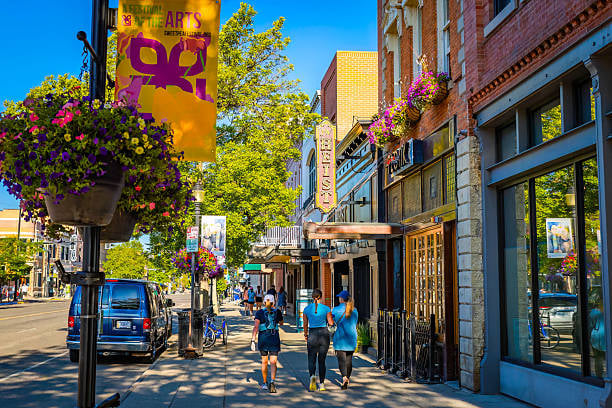
Old Town Park City remains one of the most walkable, character-rich neighborhoods in any ski resort community in the West. Main Street, the town lift, independent restaurants, and a genuine local culture set it apart from purpose-built resort villages. Properties here carry a premium, but they also hold value because the supply is fundamentally constrained by the historic district and terrain.
Hideout and Promontory: Where Buyers Are Finding Value
As Old Town and Deer Valley prices push higher, buyers are increasingly exploring communities like Hideout, Utah — the new city incorporated adjacent to Park City — and the Promontory Club, a private golf-and-ski community east of Kimball Junction. Both offer Summit County lifestyle at a more accessible price point, with easy access to the mountains and less than 45 minutes to Salt Lake City International Airport. For buyers who are flexible on location, these communities are worth a serious look.
What Park City Sellers Should Know Right Now
If you own property in the Deer Valley area, the East Village expansion is a tailwind — it’s drawing new buyers who wouldn’t have previously known where to start, and it puts Deer Valley in front of an international audience in a way it hasn’t been before. Alterra Mountain Company’s backing brings marketing reach that benefits the entire surrounding real estate market, not just the on-mountain product.
That said, Park City buyers at this price point are sophisticated. They’ve seen properties in multiple markets, they’re working with advisors, and they’re not making emotional decisions. Presentation, pricing strategy, and negotiation experience matter more here than in most markets. This is where local expertise creates real value for both sides of a transaction.
Frequently Asked Questions
How much does a luxury home cost in Park City, Utah in 2026?
The median price for a single-family home in Park City now exceeds $4 million. New construction in the Deer Valley East Village ranges from $2.3 million for private residences in the Grand Hyatt to significantly higher for custom ski-in properties. Condominiums and townhomes offer entry points below the single-family median in communities like Canyons Village and Redstone.
Is Deer Valley real estate a good investment in 2026?
The East Village expansion, Alterra’s continued investment in Deer Valley Resort, and persistent inventory constraints make Deer Valley one of the more defensible luxury real estate markets in the Mountain West. Cash buyers have dominated this segment, which signals strong conviction from high-net-worth purchasers who have options.
What neighborhoods in Park City are best for buyers in 2026?
Old Town Park City remains the gold standard for walkability and character. Deer Valley proper and the new East Village are the premier ski-adjacent options. For buyers seeking more value, Hideout Utah and the Promontory Club offer Summit County access with different trade-offs on privacy, amenities, and price.
If you’re exploring Park City or Deer Valley real estate, I’d love to walk you through what’s available and what’s coming. Visit ameliarealestateco.com or call and text me at 406-599-7711.
Amelia Turbyfill Smith, REALTOR® | REAL Broker | Bozeman, Big Sky & Park City