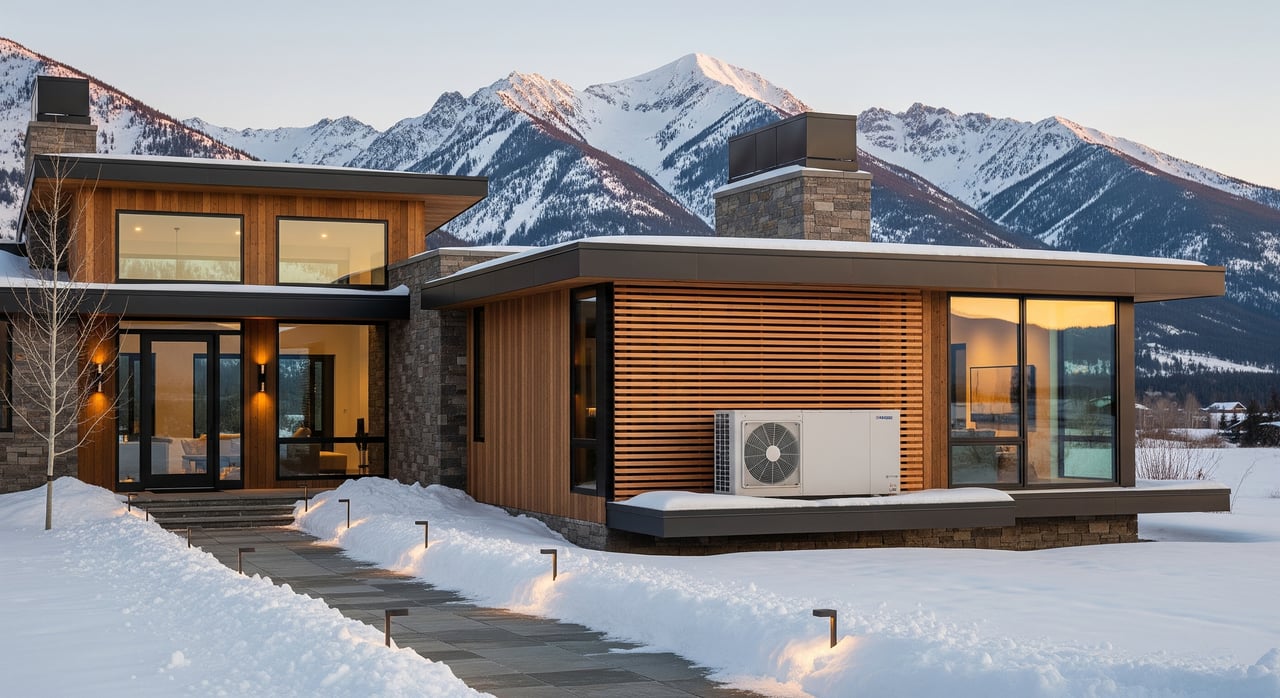
When winter settles into Big Sky, keeping your home warm without runaway propane bills becomes a real priority. You want quiet comfort, reliable performance on the coldest nights, and the kind of efficiency that supports both your lifestyle and long-term value. If you are weighing upgrades, cold-climate heat pumps can be a smart move for mountain properties. In this guide, you will learn what they are, how they perform in Big Sky, what they cost, current incentives, and the design details that matter at elevation. Let’s dive in.
What a cold-climate heat pump is
Cold-climate heat pumps are engineered to keep delivering heat in very low temperatures using advanced compressors and controls. Field studies show modern systems can cover most, and sometimes all, of a home’s heating needs in cold U.S. climates when properly designed and installed. You also get efficient cooling in summer. NREL’s field validation documents strong performance in cold regions.
Common options include ductless mini-splits, ducted air-source systems, ground-source (geothermal), and heat pump water heaters. Efficiency does drop as outdoor temperatures fall, so correct sizing and well-planned backup heat are important for the coldest hours. For context on efficiency at low temperatures, see this overview of how COP changes with weather and controls. Learn more about low-ambient performance trends.
Why it fits Big Sky homes
Big Sky sees long, cold winters with January lows often in the single digits or below zero. Planning for design-day loads and heavy snow is essential. Local climate data confirms frequent subfreezing conditions.
Many area homes use propane, electric resistance, or mixed-fuel systems. Cold-climate heat pumps can reduce annual energy use compared with electric resistance and can lower operating costs versus high propane prices, depending on your home and current rates. NorthWestern Energy serves the area and continues grid investments that support reliability. See local utility context. For cost comparisons, check Montana’s state electricity price profile. Review EIA’s Montana data.
Costs and incentives
Installed costs vary with size, configuration, and home complexity. National ranges put many air-source heat pump projects roughly between 6,000 and 12,000 dollars, with broader ranges from about 4,000 to 15,000 dollars. Geothermal is higher due to drilling and loops. Always request local quotes to reflect Big Sky conditions. See national cost ranges.
Federal incentives have recently provided tax credits for qualifying heat pumps and heat pump water heaters. Program details can change, so verify current guidance for the year of your project. Start with ENERGY STAR’s summary of qualifying equipment and the IRS instructions for Form 5695. Check ENERGY STAR guidance and review IRS Form 5695 instructions.
NorthWestern Energy has offered rebates for heat pump water heaters through participating installers, with past offers up to 3,000 dollars. Availability and requirements can change, so review the current program page. Explore NWE’s HPWH program.
Design tips for mountain sites
- Get a Manual J heat-loss calculation that reflects Big Sky’s design temperatures and your home’s elevation. Ask for AHRI-rated equipment matches. Verify AHRI certification.
- Improve the envelope first. Air sealing and insulation reduce required capacity and backup heat use. See cold-climate performance insights.
- Select true cold-climate models and request low-ambient capacity and COP data at 17 F, 5 F, 0 F, and below when available. ENERGY STAR overview.
- Plan backup wisely. Options include limited electric strips, dual-fuel with a high-efficiency furnace, or careful sizing to cut backup runtime. Smart lockout and cutover settings help. Backup and control basics.
- Manage snow and ice. Elevate outdoor units, maintain clear airflow, and protect from drifting snow. Defrost strategy matters in Big Sky conditions. Cold-weather siting considerations.
- Commission the system. Require a start-up report, correct refrigerant charge, documented airflow, and the AHRI certificate for the matched equipment. AHRI directory lookup.
Ducted vs. ductless vs. geothermal
- Ductless mini-splits: great for targeted zones or retrofits without existing ductwork. They can serve entire homes with multi-zone designs if the envelope is strong.
- Ducted central: ideal when ducts exist or new ones are planned. Variable-capacity systems matched to low-temperature operation provide even comfort across rooms.
- Geothermal: top-tier efficiency using stable ground temperatures. Higher upfront cost and site access are key considerations in mountain terrain.
Heat pump water heaters
Heat pump water heaters are a practical upgrade for many Big Sky homes, especially if you currently use an electric storage water heater. They can deliver major kWh savings with proper placement and venting, and utility rebates have been significant at times. Check NorthWestern Energy’s current offer.
How to run the numbers
To estimate payback, use local data rather than national averages. Include:
- Installed cost after rebates and tax credits.
- Your baseline fuel type and use, such as propane gallons or electric kWh.
- Current electricity and propane prices in your area. See Montana electricity context.
- Expected seasonal performance based on low-ambient capacity and COP data.
- Maintenance plans and warranty terms.
For 2025 projects, confirm the latest federal credit rules before finalizing your budget. Review IRS guidance and ENERGY STAR criteria.
What this means for resale
Well-documented, properly installed heat pumps can be a selling point for Big Sky buyers who value efficient, year-round comfort. Keep the Manual J report, AHRI certificate, commissioning documentation, and transferable warranties on file. This transparency helps buyers understand performance, lowers perceived risk, and supports your home’s market story.
Next steps
- Schedule an energy assessment and Manual J calculation.
- Tighten the envelope where it is cost-effective.
- Compare cold-climate models with low-ambient performance data.
- Confirm current rebates and tax credits and how they stack.
- Require commissioning and keep all documentation for resale.
If you are planning a sale or purchase in Big Sky and want to weigh upgrades that boost comfort and value, connect with Amelia Real Estate Co. We can help you align home improvements with your market strategy and timeline. Start a conversation with Amelia Real Estate Co..
FAQs
Do heat pumps work in Big Sky winters?
- Yes, modern cold-climate systems can deliver most or all heating in cold regions when properly sized and installed, with backup heat for rare extremes. See NREL field data.
How cold can they operate effectively?
- Many cold-climate models publish capacity and COP at 17 F, 5 F, and 0 F, and some list data below 0 F; ask your contractor for the manufacturer’s low-ambient curves.
Are utility rebates available in Montana?
- NorthWestern Energy has offered rebates for heat pump water heaters through participating installers; check the latest program details and requirements. View current program.
What should I ask a contractor before I buy?
- Request a Manual J, AHRI certificate for the matched equipment, low-ambient performance curves, a written defrost and backup plan, and a commissioning report. Check AHRI directory.
How do tax credits work for heat pumps?
- Federal credits have applied to qualifying equipment, subject to caps and annual limits; verify current rules for your project year. Review IRS guidance and ENERGY STAR criteria.